
The True Cost of Running an Inefficient Boiler
An inefficient boiler can have a much bigger impact on your household costs than you might realise, from steadily increasing energy bills to more frequent repairs and inconsistent heating. Understanding why your boiler may be losing efficiency and recognising the signs of poor performance can help you take action before costs continue to rise. This guide explores the true cost of running an inefficient boiler and the steps you can take to improve efficiency, reduce energy waste and make your heating system more economical.

Why you can trust our content
We understand that the boiler industry can be confusing, with plenty of outdated or misleading information. That’s why we rely only on trusted, proven sources to guide our advice and installations:


Identifying the Signs of an Inefficient Boiler
Why Boiler Efficiency Matters More Than Ever
With energy prices continuing to be a concern for households across the UK, having an energy efficient boiler is more important than ever. Many homeowners do not realise how much their boiler impacts their monthly bills, especially if it is older or not performing as it should. An inefficient boiler does not just struggle to heat your home properly, it also uses more fuel than necessary, which can quietly increase your energy costs over time.
What Makes a Boiler Inefficient
There are several reasons why a boiler can become inefficient. Age is one of the biggest factors, as older boilers were not designed to meet modern energy efficiency standards. Over time, general wear and tear can also affect performance, particularly if the system has not been regularly serviced. Issues such as limescale build up, worn components and poor water circulation can all reduce efficiency, meaning your boiler has to work harder to produce the same level of heat.
The Impact on Your Energy Bills
An inefficient boiler can have a noticeable effect on your energy bills, even if the problem is not immediately obvious. When your system is not operating efficiently, it uses more fuel to maintain the desired temperature. Over the course of a year, this increased usage can add up to a significant amount. Many homeowners are surprised to learn just how much they could save by improving their boiler’s efficiency or upgrading to a modern system.
Comparing Older Boilers to Modern Systems
Modern boilers are designed to maximise efficiency by capturing and reusing heat that would otherwise be lost. This allows them to produce the same level of warmth using less energy. In contrast, older boilers tend to lose a considerable amount of heat during operation, making them far less economical to run. Upgrading to a newer model can make a noticeable difference in both performance and running costs.
Let’s get started, Which fuel powers your boiler?
Mains Gas
LPG
Oil
It just takes 60 Seconds
And then you can book a free consultation
The Hidden Costs of an Inefficient Boiler
The true cost of an inefficient boiler goes beyond higher energy bills. Older systems are more prone to breakdowns, which can lead to frequent repair costs and inconvenience. There is also the frustration of inconsistent heating and hot water, which can affect your day to day comfort. When you factor in these hidden costs, keeping an inefficient boiler running is often more expensive than it first appears.
Simple Ways to Improve Boiler Efficiency
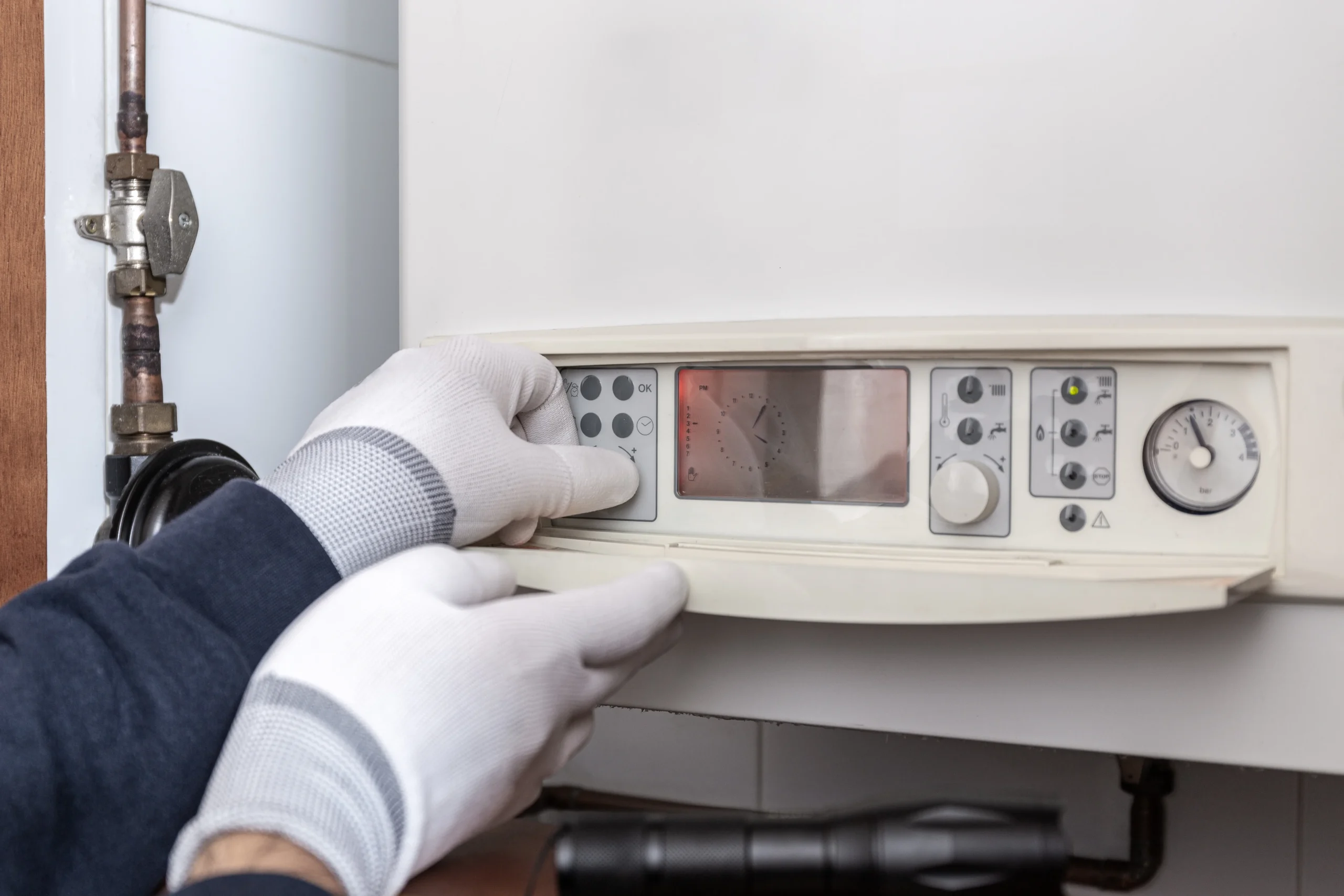
In some cases, you may not need to replace your boiler to see improvements. Regular boiler servicing can help keep your system running efficiently by identifying and resolving issues early. Simple steps such as bleeding your radiators, maintaining correct pressure levels and using your thermostat effectively can also help reduce unnecessary energy usage. These small changes can make a noticeable difference over time.
When It Might Be Time to Upgrade
If your boiler is older and struggling to perform efficiently, upgrading to a modern system may be the most practical solution. While there is an upfront cost involved, the long term savings on energy bills and reduced repair costs can make it a worthwhile investment. A new boiler also offers improved reliability, which means fewer unexpected issues and greater peace of mind.
Long Term Benefits of an Efficient Boiler
Investing in an efficient boiler is not just about saving money. It also improves overall comfort by providing more consistent heating and hot water. In addition, a more efficient system reduces your carbon footprint, making it a better choice for the environment. These long term benefits make upgrading an increasingly popular option for homeowners looking to improve their heating systems.
A Smarter Way to Manage Heating Costs
Understanding how your boiler affects your energy usage is the first step towards reducing costs. Whether it is improving efficiency through maintenance or considering an upgrade, taking action can help you avoid unnecessary expenses and keep your home running more efficiently.
Concerned About Your Boiler Efficiency?
If you feel your boiler is inefficient or your energy bills seem higher than they should be, we are here to help. At HeatXpert, we take the time to assess your system properly and offer clear, honest advice on the best way forward. Whether it is a simple service, a repair or guidance on upgrading to a more energy efficient boiler, we are always happy to talk things through and help you find a solution that works for your home and your budget.
Related articles
Let’s get started, Which fuel powers your boiler?
Mains Gas
LPG
Oil
Identifying the Signs of an Inefficient Boiler
Why Boiler Efficiency Matters More Than Ever
With energy prices continuing to be a concern for households across the UK, having an energy efficient boiler is more important than ever. Many homeowners do not realise how much their boiler impacts their monthly bills, especially if it is older or not performing as it should. An inefficient boiler does not just struggle to heat your home properly, it also uses more fuel than necessary, which can quietly increase your energy costs over time.
What Makes a Boiler Inefficient
There are several reasons why a boiler can become inefficient. Age is one of the biggest factors, as older boilers were not designed to meet modern energy efficiency standards. Over time, general wear and tear can also affect performance, particularly if the system has not been regularly serviced. Issues such as limescale build up, worn components and poor water circulation can all reduce efficiency, meaning your boiler has to work harder to produce the same level of heat.
The Impact on Your Energy Bills
An inefficient boiler can have a noticeable effect on your energy bills, even if the problem is not immediately obvious. When your system is not operating efficiently, it uses more fuel to maintain the desired temperature. Over the course of a year, this increased usage can add up to a significant amount. Many homeowners are surprised to learn just how much they could save by improving their boiler’s efficiency or upgrading to a modern system.
Comparing Older Boilers to Modern Systems
Modern boilers are designed to maximise efficiency by capturing and reusing heat that would otherwise be lost. This allows them to produce the same level of warmth using less energy. In contrast, older boilers tend to lose a considerable amount of heat during operation, making them far less economical to run. Upgrading to a newer model can make a noticeable difference in both performance and running costs.
Let’s get started, Which fuel powers your boiler?
Mains Gas
LPG
Oil
It just takes 60 Seconds
And then you can book a free consultation
The Hidden Costs of an Inefficient Boiler
The true cost of an inefficient boiler goes beyond higher energy bills. Older systems are more prone to breakdowns, which can lead to frequent repair costs and inconvenience. There is also the frustration of inconsistent heating and hot water, which can affect your day to day comfort. When you factor in these hidden costs, keeping an inefficient boiler running is often more expensive than it first appears.
Simple Ways to Improve Boiler Efficiency
In some cases, you may not need to replace your boiler to see improvements. Regular boiler servicing can help keep your system running efficiently by identifying and resolving issues early. Simple steps such as bleeding your radiators, maintaining correct pressure levels and using your thermostat effectively can also help reduce unnecessary energy usage. These small changes can make a noticeable difference over time.
When It Might Be Time to Upgrade
If your boiler is older and struggling to perform efficiently, upgrading to a modern system may be the most practical solution. While there is an upfront cost involved, the long term savings on energy bills and reduced repair costs can make it a worthwhile investment. A new boiler also offers improved reliability, which means fewer unexpected issues and greater peace of mind.
Long Term Benefits of an Efficient Boiler
Investing in an efficient boiler is not just about saving money. It also improves overall comfort by providing more consistent heating and hot water. In addition, a more efficient system reduces your carbon footprint, making it a better choice for the environment. These long term benefits make upgrading an increasingly popular option for homeowners looking to improve their heating systems.
A Smarter Way to Manage Heating Costs
Understanding how your boiler affects your energy usage is the first step towards reducing costs. Whether it is improving efficiency through maintenance or considering an upgrade, taking action can help you avoid unnecessary expenses and keep your home running more efficiently.
Concerned About Your Boiler Efficiency?
If you feel your boiler is inefficient or your energy bills seem higher than they should be, we are here to help. At HeatXpert, we take the time to assess your system properly and offer clear, honest advice on the best way forward. Whether it is a simple service, a repair or guidance on upgrading to a more energy efficient boiler, we are always happy to talk things through and help you find a solution that works for your home and your budget.
