
Boiler Installation Quote Reading: How Does the Agreed Scope Become the Final Price?
What should a boiler installation quote tell you? A boiler quote should do more than give you one figure at the bottom of a page. It should help you understand what work has been assessed, what equipment is included and what you can reasonably expect to happen on installation day.

Why you can trust our content
We understand that the boiler industry can be confusing, with plenty of outdated or misleading information. That’s why we rely only on trusted, proven sources to guide our advice and installations:

At a glance
When comparing a boiler installation quote reading, it is worth looking beyond the headline price. Two quotes can look similar at first glance but cover very different scopes of work. One may include new controls, upgraded pipework and disposal of the old boiler, while another may leave some of these items outside the quoted figure.
A clear quote gives you a better basis for making an informed decision without relying on assumptions.
If you are reviewing a boiler quote, Heatxpert can help explain what the proposed installation involves and what is included in the agreed scope.
If you are reviewing a boiler quote, Heatxpert can help explain what the proposed installation involves and what is included in the agreed scope.
How does the initial assessment affect the quoted price?
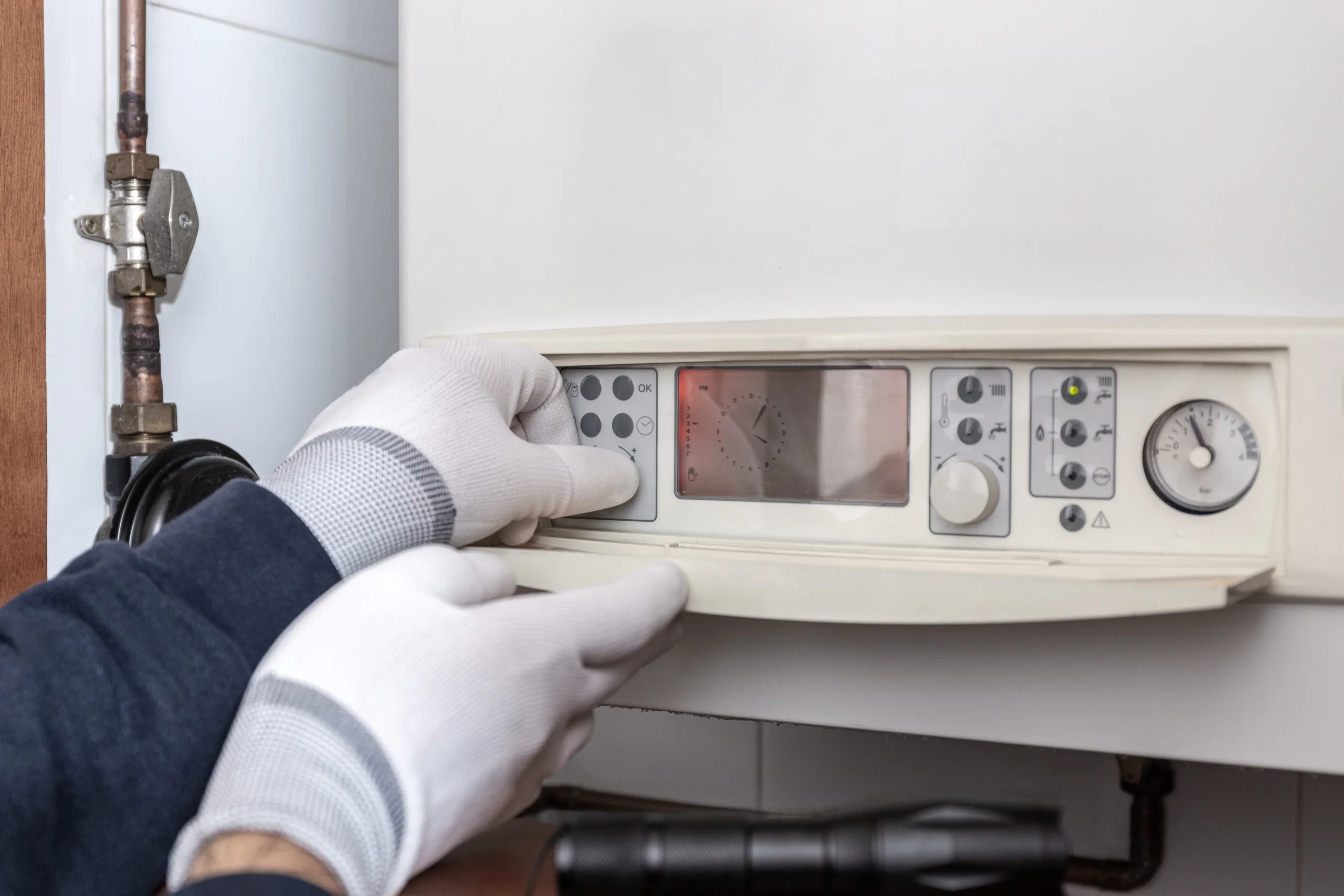
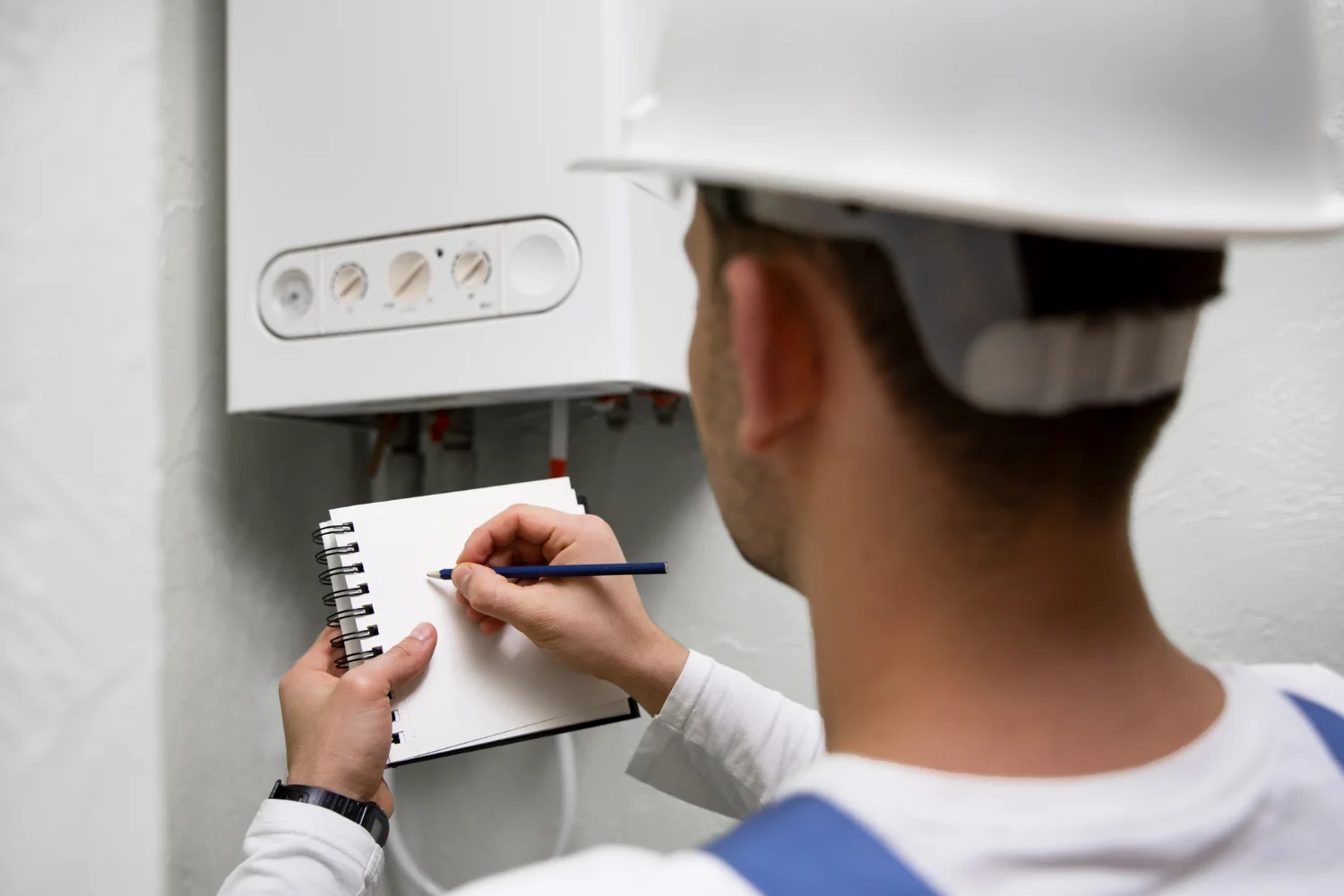
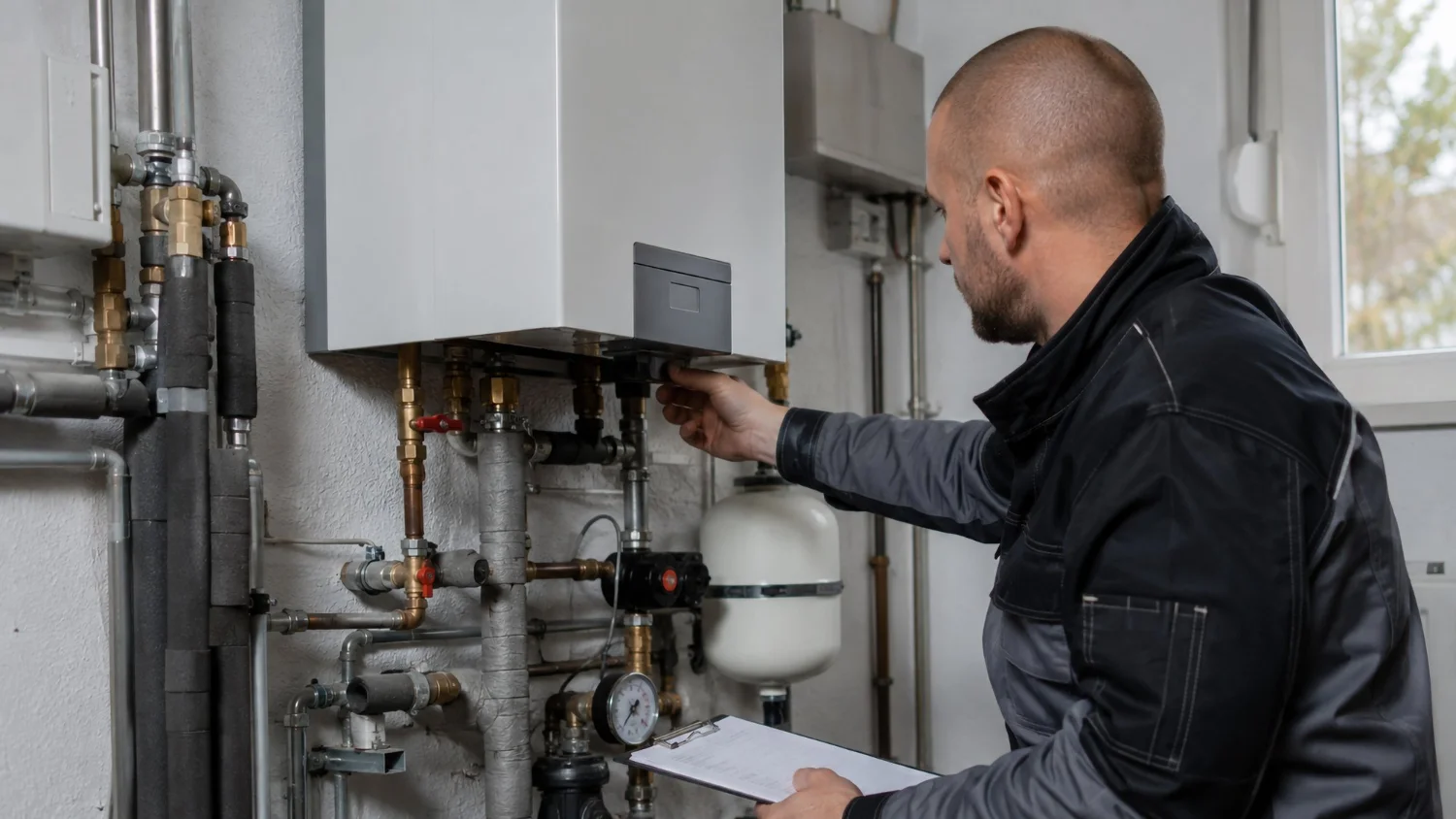
The quote normally starts with an assessment of the existing heating system and the property.
A professional installer needs to establish what is already there before deciding what the installation is likely to involve. This can include checking:
- The current boiler and its condition
- Boiler location and available access
- Existing heating and hot water arrangements
- Gas and heating pipework
- Flue route and termination
- Condensate arrangements
- Electrical supply and controls
- Radiators and heating controls
- The position of the proposed replacement boiler
This information matters because the replacement may not simply involve removing one appliance and putting another in exactly the same position.
For example, an existing boiler may be in a suitable location, but its flue arrangement, pipework or controls may need attention when the new system is installed.
That is why a properly assessed property should form the basis of the quotation rather than a price based solely on the make and model of a boiler.
What should be included in a boiler installation quote?
A useful quote should make the main elements of the proposed work easy to understand.
Depending on the property and system, this could include:
| Quote element | What to look for |
| Boiler | Make, model and relevant specification |
| Labour | Installation and associated work |
| Flue | New or replacement flue components where required |
| Pipework | Any alterations or upgrades included |
| Controls | Thermostat, programmer or other specified controls |
| Condensate | Installation or alteration of condensate pipework |
| Removal | Disposal of the existing boiler and associated waste |
| Testing | Commissioning and checks after installation |
| Handover | Information about operation and relevant documentation |
Not every installation will require every item in the table. The important point is that the quotation should make clear what applies to your property.
If you are comparing boiler prices and installation, check whether the figures cover broadly the same work before deciding that one quote is cheaper.
Can the boiler itself change the final quotation?
Yes. The boiler selected is one of the most obvious factors affecting the overall price, but it should not be considered in isolation.
Different boilers can vary in output, features, controls, warranty arrangements and suitability for different properties. A suitable boiler should be selected according to the heating and hot water requirements of the home rather than simply choosing the largest available output.
For a combi boiler, factors such as hot water demand and incoming mains water performance can be relevant. For other system arrangements, the existing hot water cylinder and system components may also affect what is required.
The installer should be able to explain why a particular boiler has been proposed and what alternatives may be suitable.
This is particularly useful when a quotation includes several options. You can then compare the equipment and installation scope rather than comparing prices without context.
Let’s get started, Which fuel powers your boiler?
Mains Gas
LPG
Oil
It just takes 60 Seconds
And then you can book a free consultation
Why can pipework and flue work affect the quote?
The boiler is only one part of the installation.
Existing pipework may need to be altered to suit the replacement appliance. In some cases, sections may need upgrading or repositioning. The flue also needs to be installed correctly for the chosen appliance and property.
These details can affect labour and materials.
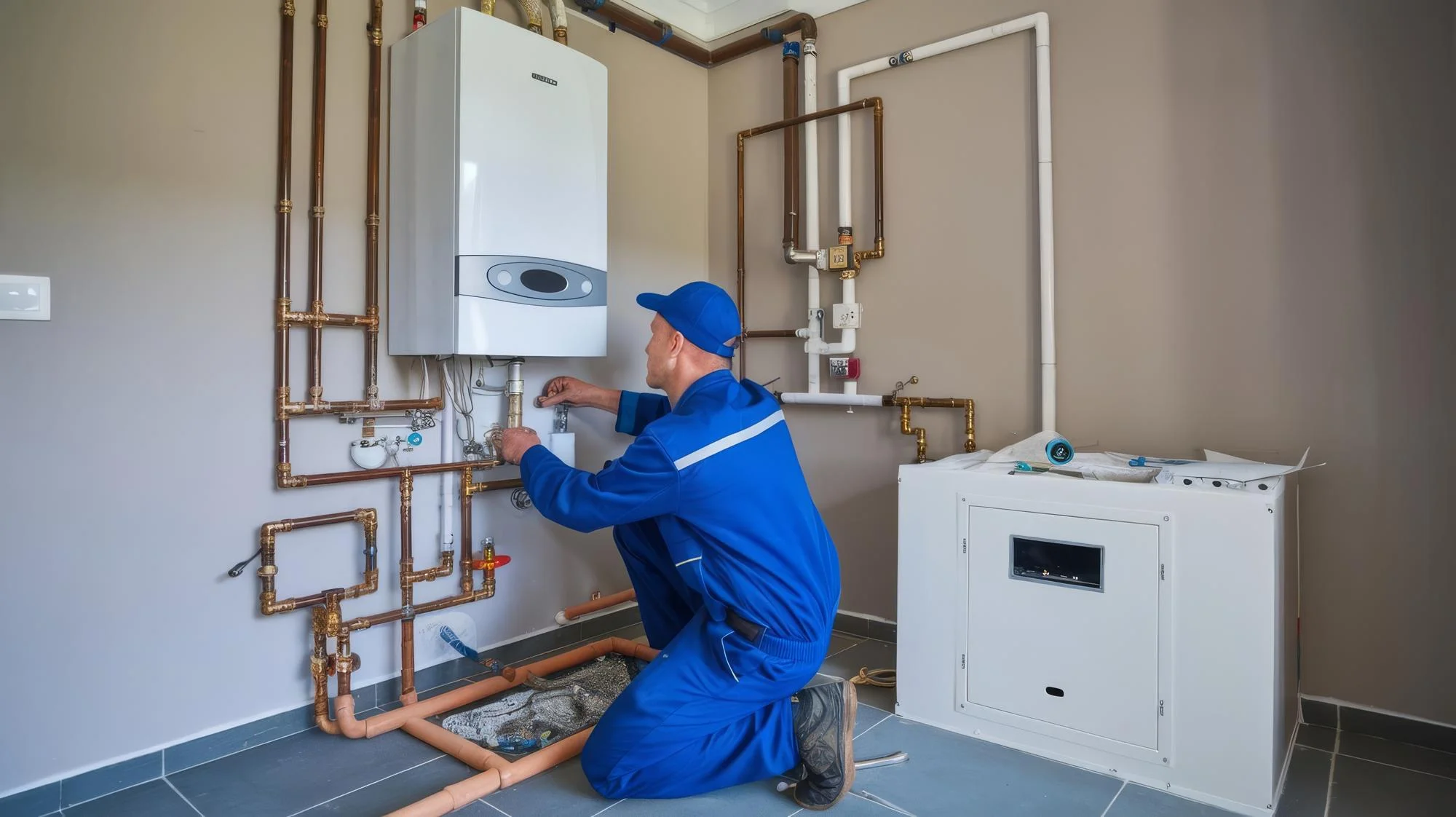
For instance, a straightforward replacement in an accessible location may require less additional work than a boiler being moved to another part of the property. Moving the appliance can involve changes to pipework, the flue route, condensate arrangements and controls.
A good quotation should identify significant additional work rather than leaving you to discover it once the installation begins.
Should controls be included in the quotation?
They should be clearly identified, even if the existing controls are being retained.
Heating controls can form part of the installation scope, and the appropriate setup depends on the boiler, heating system and homeowner requirements.
The quotation should therefore make it clear whether it includes:
- A new room thermostat
- Programmable controls
- Existing controls being retained
- Wireless controls where applicable
- Any required control wiring
- Commissioning of the controls
This avoids confusion between a basic appliance replacement and a more complete heating system upgrade.
If a quote includes new controls, ask what type they are and why they have been recommended. If existing controls are being retained, it is equally reasonable to ask whether they are compatible with the proposed boiler.
Before accepting a quote, ask Heatxpert to clarify any part of the proposed installation that you are unsure about. Understanding the scope can be as important as understanding the price.
What happens if the installation reveals an unexpected issue?
Even a detailed assessment cannot guarantee that every concealed condition will be visible beforehand.
For example, an installer may discover an issue with inaccessible pipework once an old boiler has been removed. A wall or cupboard may also reveal limitations that could not reasonably be confirmed during the initial assessment.
The important question is how unexpected work is handled.
A professional approach is to explain the issue, discuss the reason for the additional work and make the change clear before proceeding where practical.
This is one reason to be cautious about comparing quotes based purely on the lowest headline figure. A lower initial price does not necessarily represent the same scope of work.
What should you ask before agreeing to a boiler quote?
Before accepting a quotation, it is worth checking a few practical points.
Ask:
- Which boiler model is included?
- Is installation labour included?
- Is the old boiler being removed and disposed of?
- Are flue materials included?
- Are pipework alterations included where required?
- Are controls included, and which controls are proposed?
- Is condensate pipework included?
- What testing and commissioning will be completed?
- What documentation will be provided after installation?
- How will unexpected additional work be handled?
You do not need to turn the quotation into a technical document. The purpose is simply to make sure you understand what you are agreeing to.
Does the cheapest quote always represent the lowest overall cost?
Not necessarily.
A quotation with a lower initial figure may exclude work that another installer has already included. For example, one quote might include new controls and pipework alterations, while another assumes that existing components can remain.
This makes direct price comparison difficult unless the scope is similar.
When reviewing boiler prices and installation, consider the complete proposed job rather than the appliance price alone.
A more useful comparison is:
Boiler + materials + labour + controls + associated work + testing + handover
That does not mean every higher quotation is automatically better. It simply means that price needs to be considered alongside what you are actually receiving.
What should happen after you accept the quotation?
Once the quotation is accepted, the agreed scope should provide a reference point for the installation.
You should normally know:
- Which boiler has been selected
- What work is being carried out
- What equipment and controls are included
- Whether the old appliance is being removed
- Any important preparation requirements
- What happens if unexpected work is identified
On completion, the installer should carry out the appropriate checks and commissioning for the appliance and system. You should also receive relevant information about operating the new boiler and maintaining the system.
A clear handover is particularly useful because even a familiar heating system can operate differently after replacement.
What if you are comparing several quotations?
Comparing quotations is easier when you put the key details side by side.
Rather than recording only the total price, consider making a simple checklist covering:
Boiler model: Is it the same or comparable?
Controls: Are the same controls included?
Flue and pipework: Is associated work included?
Removal: Is disposal of the old appliance included?
Testing and commissioning: Is this part of the stated scope?
Guarantees and documentation: What is provided after installation?
Additional work: How will changes be agreed?
This approach helps separate genuine differences in price from differences in what each installer has included.
A simple example
Imagine two homeowners are replacing similar boilers.
Installer A provides a quotation that includes the boiler, labour, new controls, required pipework alterations, removal of the old appliance and commissioning.
Installer B provides a lower figure but specifies the boiler and labour only, with some associated work to be confirmed after inspection.
The first quotation may initially appear more expensive. However, the figures are not directly comparable because the scopes are different.
This is why asking questions before agreeing to the work can prevent misunderstandings later.
How can you make sure the agreed scope stays clear?
Keep a copy of the accepted quotation and any written information that forms part of the agreement.
If changes are discussed by telephone or during the survey, it can also be useful to have the final position confirmed in writing.
This gives both the homeowner and installer a shared reference for the job.
It also makes it easier to identify whether a proposed change is genuinely additional work or something that was already included in the original scope.
If you are planning a replacement boiler, Heatxpert can discuss the installation requirements with you and provide a quotation based on the work your property actually needs.
What makes a boiler installation quote useful?
A good boiler quotation should give you more than a final figure. It should explain the proposed boiler, installation work, associated materials, controls, testing and any other significant parts of the job.
When comparing quotations, look at the scope as well as the price. Checking what is included can help you avoid comparing two figures that actually represent different levels of work.
For homeowners arranging a replacement in Reading, taking time to understand the quotation before installation begins can make the whole process clearer and easier to manage. A properly assessed installation, transparent scope and clear handover all contribute to a more straightforward replacement.
Heatxpert can help homeowners understand the practical requirements of boiler replacement and installation, from the initial assessment through to completion.
Related articles


Let’s get started, Which fuel powers your boiler?
Mains Gas
LPG
Oil
At a glance
When comparing a boiler installation quote reading, it is worth looking beyond the headline price. Two quotes can look similar at first glance but cover very different scopes of work. One may include new controls, upgraded pipework and disposal of the old boiler, while another may leave some of these items outside the quoted figure.
A clear quote gives you a better basis for making an informed decision without relying on assumptions.
If you are reviewing a boiler quote, Heatxpert can help explain what the proposed installation involves and what is included in the agreed scope.
If you are reviewing a boiler quote, Heatxpert can help explain what the proposed installation involves and what is included in the agreed scope.
How does the initial assessment affect the quoted price?
The quote normally starts with an assessment of the existing heating system and the property.
A professional installer needs to establish what is already there before deciding what the installation is likely to involve. This can include checking:
- The current boiler and its condition
- Boiler location and available access
- Existing heating and hot water arrangements
- Gas and heating pipework
- Flue route and termination
- Condensate arrangements
- Electrical supply and controls
- Radiators and heating controls
- The position of the proposed replacement boiler
This information matters because the replacement may not simply involve removing one appliance and putting another in exactly the same position.
For example, an existing boiler may be in a suitable location, but its flue arrangement, pipework or controls may need attention when the new system is installed.
That is why a properly assessed property should form the basis of the quotation rather than a price based solely on the make and model of a boiler.
What should be included in a boiler installation quote?
A useful quote should make the main elements of the proposed work easy to understand.
Depending on the property and system, this could include:
| Quote element | What to look for |
| Boiler | Make, model and relevant specification |
| Labour | Installation and associated work |
| Flue | New or replacement flue components where required |
| Pipework | Any alterations or upgrades included |
| Controls | Thermostat, programmer or other specified controls |
| Condensate | Installation or alteration of condensate pipework |
| Removal | Disposal of the existing boiler and associated waste |
| Testing | Commissioning and checks after installation |
| Handover | Information about operation and relevant documentation |
Not every installation will require every item in the table. The important point is that the quotation should make clear what applies to your property.
If you are comparing boiler prices and installation, check whether the figures cover broadly the same work before deciding that one quote is cheaper.
Can the boiler itself change the final quotation?
Yes. The boiler selected is one of the most obvious factors affecting the overall price, but it should not be considered in isolation.
Different boilers can vary in output, features, controls, warranty arrangements and suitability for different properties. A suitable boiler should be selected according to the heating and hot water requirements of the home rather than simply choosing the largest available output.
For a combi boiler, factors such as hot water demand and incoming mains water performance can be relevant. For other system arrangements, the existing hot water cylinder and system components may also affect what is required.
The installer should be able to explain why a particular boiler has been proposed and what alternatives may be suitable.
This is particularly useful when a quotation includes several options. You can then compare the equipment and installation scope rather than comparing prices without context.
Let’s get started, Which fuel powers your boiler?
Mains Gas
LPG
Oil
It just takes 60 Seconds
And then you can book a free consultation
Why can pipework and flue work affect the quote?
The boiler is only one part of the installation.
Existing pipework may need to be altered to suit the replacement appliance. In some cases, sections may need upgrading or repositioning. The flue also needs to be installed correctly for the chosen appliance and property.
These details can affect labour and materials.
For instance, a straightforward replacement in an accessible location may require less additional work than a boiler being moved to another part of the property. Moving the appliance can involve changes to pipework, the flue route, condensate arrangements and controls.
A good quotation should identify significant additional work rather than leaving you to discover it once the installation begins.
Should controls be included in the quotation?
They should be clearly identified, even if the existing controls are being retained.
Heating controls can form part of the installation scope, and the appropriate setup depends on the boiler, heating system and homeowner requirements.
The quotation should therefore make it clear whether it includes:
- A new room thermostat
- Programmable controls
- Existing controls being retained
- Wireless controls where applicable
- Any required control wiring
- Commissioning of the controls
This avoids confusion between a basic appliance replacement and a more complete heating system upgrade.
If a quote includes new controls, ask what type they are and why they have been recommended. If existing controls are being retained, it is equally reasonable to ask whether they are compatible with the proposed boiler.
Before accepting a quote, ask Heatxpert to clarify any part of the proposed installation that you are unsure about. Understanding the scope can be as important as understanding the price.
What happens if the installation reveals an unexpected issue?
Even a detailed assessment cannot guarantee that every concealed condition will be visible beforehand.
For example, an installer may discover an issue with inaccessible pipework once an old boiler has been removed. A wall or cupboard may also reveal limitations that could not reasonably be confirmed during the initial assessment.
The important question is how unexpected work is handled.
A professional approach is to explain the issue, discuss the reason for the additional work and make the change clear before proceeding where practical.
This is one reason to be cautious about comparing quotes based purely on the lowest headline figure. A lower initial price does not necessarily represent the same scope of work.
What should you ask before agreeing to a boiler quote?
Before accepting a quotation, it is worth checking a few practical points.
Ask:
- Which boiler model is included?
- Is installation labour included?
- Is the old boiler being removed and disposed of?
- Are flue materials included?
- Are pipework alterations included where required?
- Are controls included, and which controls are proposed?
- Is condensate pipework included?
- What testing and commissioning will be completed?
- What documentation will be provided after installation?
- How will unexpected additional work be handled?
You do not need to turn the quotation into a technical document. The purpose is simply to make sure you understand what you are agreeing to.
Does the cheapest quote always represent the lowest overall cost?
Not necessarily.
A quotation with a lower initial figure may exclude work that another installer has already included. For example, one quote might include new controls and pipework alterations, while another assumes that existing components can remain.
This makes direct price comparison difficult unless the scope is similar.
When reviewing boiler prices and installation, consider the complete proposed job rather than the appliance price alone.
A more useful comparison is:
Boiler + materials + labour + controls + associated work + testing + handover
That does not mean every higher quotation is automatically better. It simply means that price needs to be considered alongside what you are actually receiving.
What should happen after you accept the quotation?
Once the quotation is accepted, the agreed scope should provide a reference point for the installation.
You should normally know:
- Which boiler has been selected
- What work is being carried out
- What equipment and controls are included
- Whether the old appliance is being removed
- Any important preparation requirements
- What happens if unexpected work is identified
On completion, the installer should carry out the appropriate checks and commissioning for the appliance and system. You should also receive relevant information about operating the new boiler and maintaining the system.
A clear handover is particularly useful because even a familiar heating system can operate differently after replacement.
What if you are comparing several quotations?
Comparing quotations is easier when you put the key details side by side.
Rather than recording only the total price, consider making a simple checklist covering:
Boiler model: Is it the same or comparable?
Controls: Are the same controls included?
Flue and pipework: Is associated work included?
Removal: Is disposal of the old appliance included?
Testing and commissioning: Is this part of the stated scope?
Guarantees and documentation: What is provided after installation?
Additional work: How will changes be agreed?
This approach helps separate genuine differences in price from differences in what each installer has included.
A simple example
Imagine two homeowners are replacing similar boilers.
Installer A provides a quotation that includes the boiler, labour, new controls, required pipework alterations, removal of the old appliance and commissioning.
Installer B provides a lower figure but specifies the boiler and labour only, with some associated work to be confirmed after inspection.
The first quotation may initially appear more expensive. However, the figures are not directly comparable because the scopes are different.
This is why asking questions before agreeing to the work can prevent misunderstandings later.
How can you make sure the agreed scope stays clear?
Keep a copy of the accepted quotation and any written information that forms part of the agreement.
If changes are discussed by telephone or during the survey, it can also be useful to have the final position confirmed in writing.
This gives both the homeowner and installer a shared reference for the job.
It also makes it easier to identify whether a proposed change is genuinely additional work or something that was already included in the original scope.
If you are planning a replacement boiler, Heatxpert can discuss the installation requirements with you and provide a quotation based on the work your property actually needs.
What makes a boiler installation quote useful?
A good boiler quotation should give you more than a final figure. It should explain the proposed boiler, installation work, associated materials, controls, testing and any other significant parts of the job.
When comparing quotations, look at the scope as well as the price. Checking what is included can help you avoid comparing two figures that actually represent different levels of work.
For homeowners arranging a replacement in Reading, taking time to understand the quotation before installation begins can make the whole process clearer and easier to manage. A properly assessed installation, transparent scope and clear handover all contribute to a more straightforward replacement.
Heatxpert can help homeowners understand the practical requirements of boiler replacement and installation, from the initial assessment through to completion.
