
Boiler Repair Cost vs Boiler Cover Reading: What Should Be Planned Before Installation?
When an existing boiler starts becoming unreliable, homeowners often face two separate questions. Should they spend money repairing the current appliance, or is it time to plan a replacement? And if the boiler fails again, would some form of cover help with future repair bills?

Why you can trust our content
We understand that the boiler industry can be confusing, with plenty of outdated or misleading information. That’s why we rely only on trusted, proven sources to guide our advice and installations:

At a glance
These questions are particularly relevant when you are already considering a new boiler. Understanding the condition of the existing system, the likely repair requirements and any cover arrangements can help you plan before installation becomes urgent.
This guide looks at what to consider before replacing a boiler, including when a repair may still make sense, what boiler cover actually provides and how these decisions can relate to the wider installation process.
Should you repair an existing boiler before deciding on replacement?
Sometimes, yes.
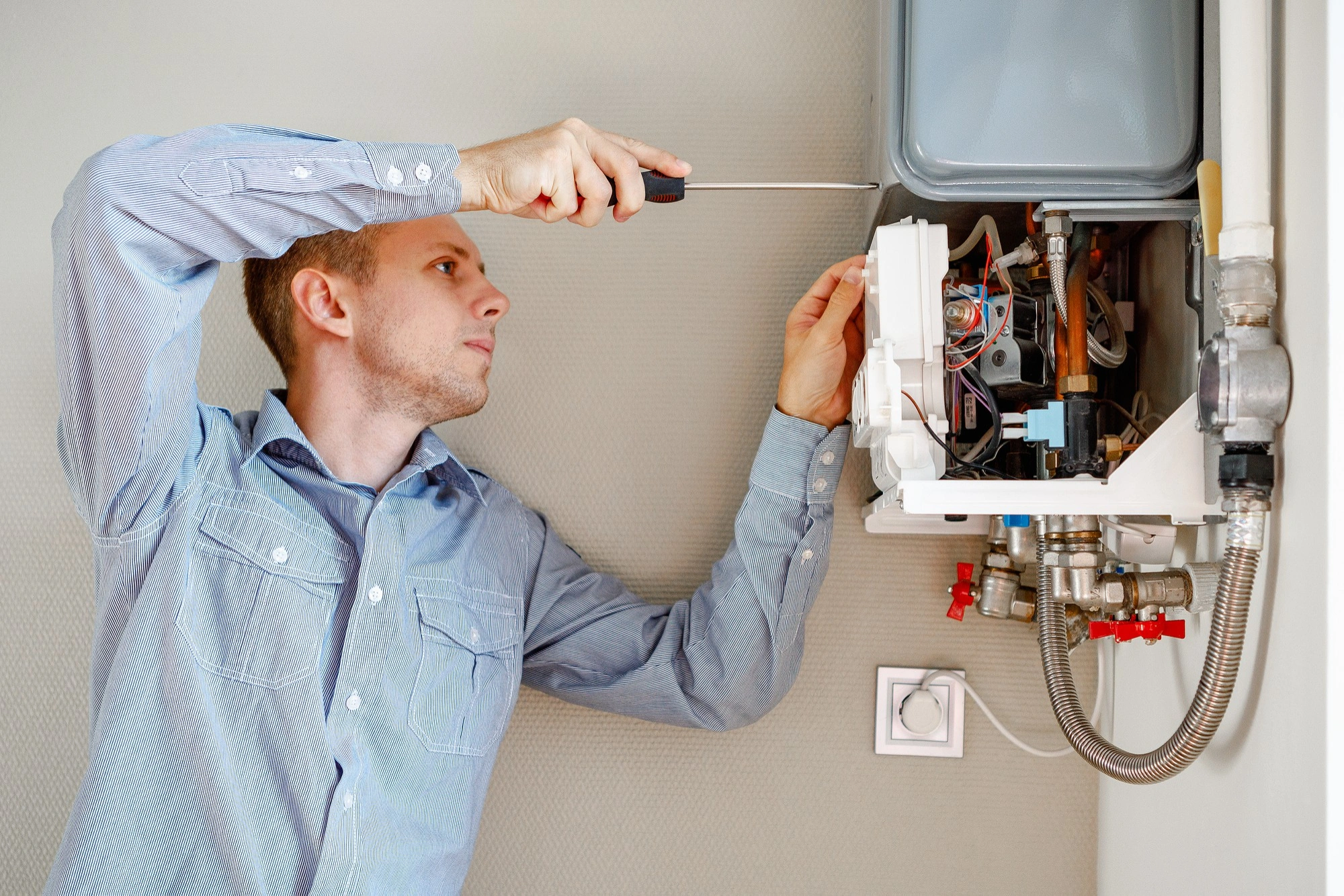
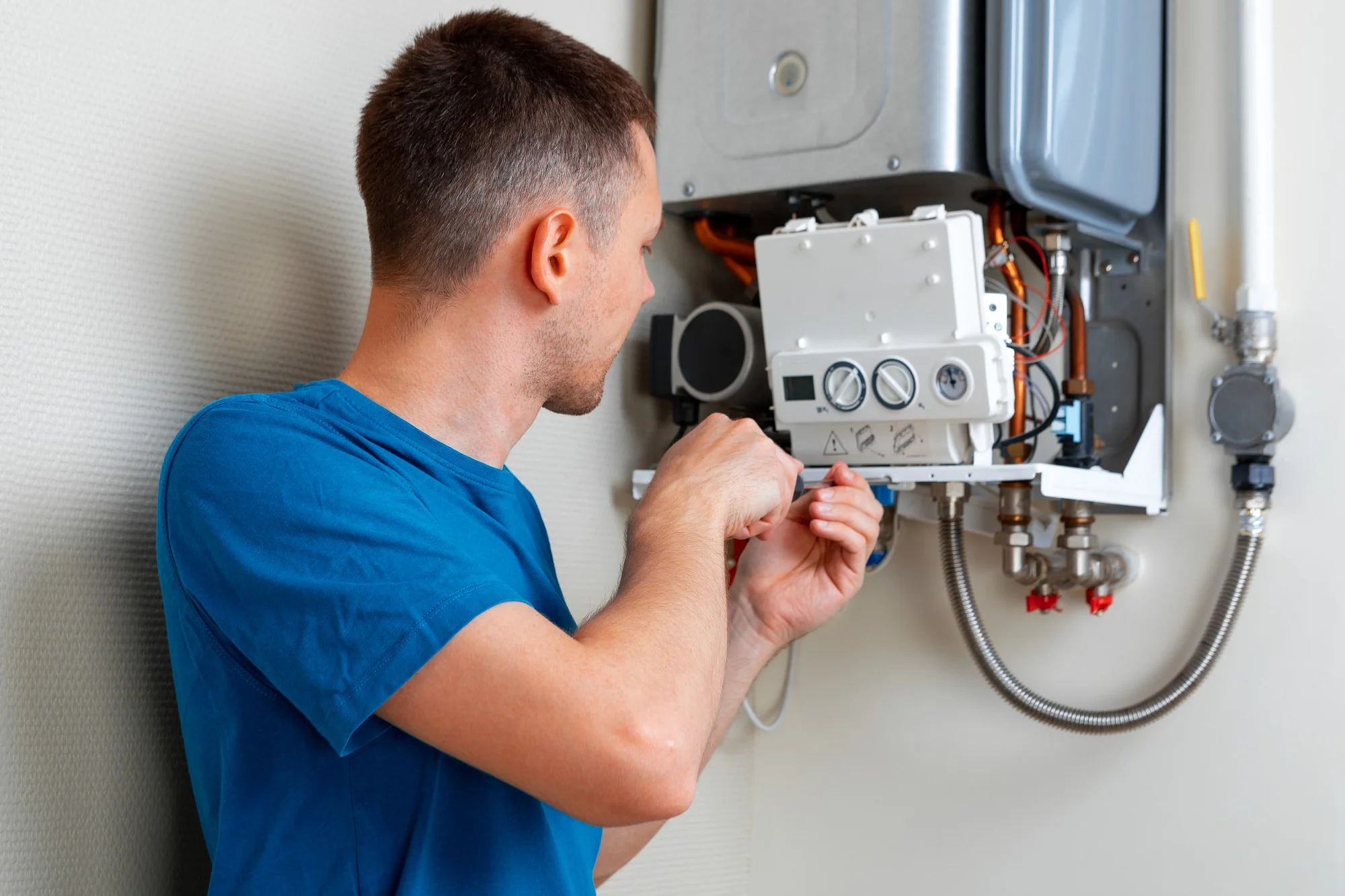
A boiler fault does not automatically mean that the appliance needs replacing. Some problems can be diagnosed and repaired without replacing the entire boiler.
The first step should be to establish what has actually gone wrong.
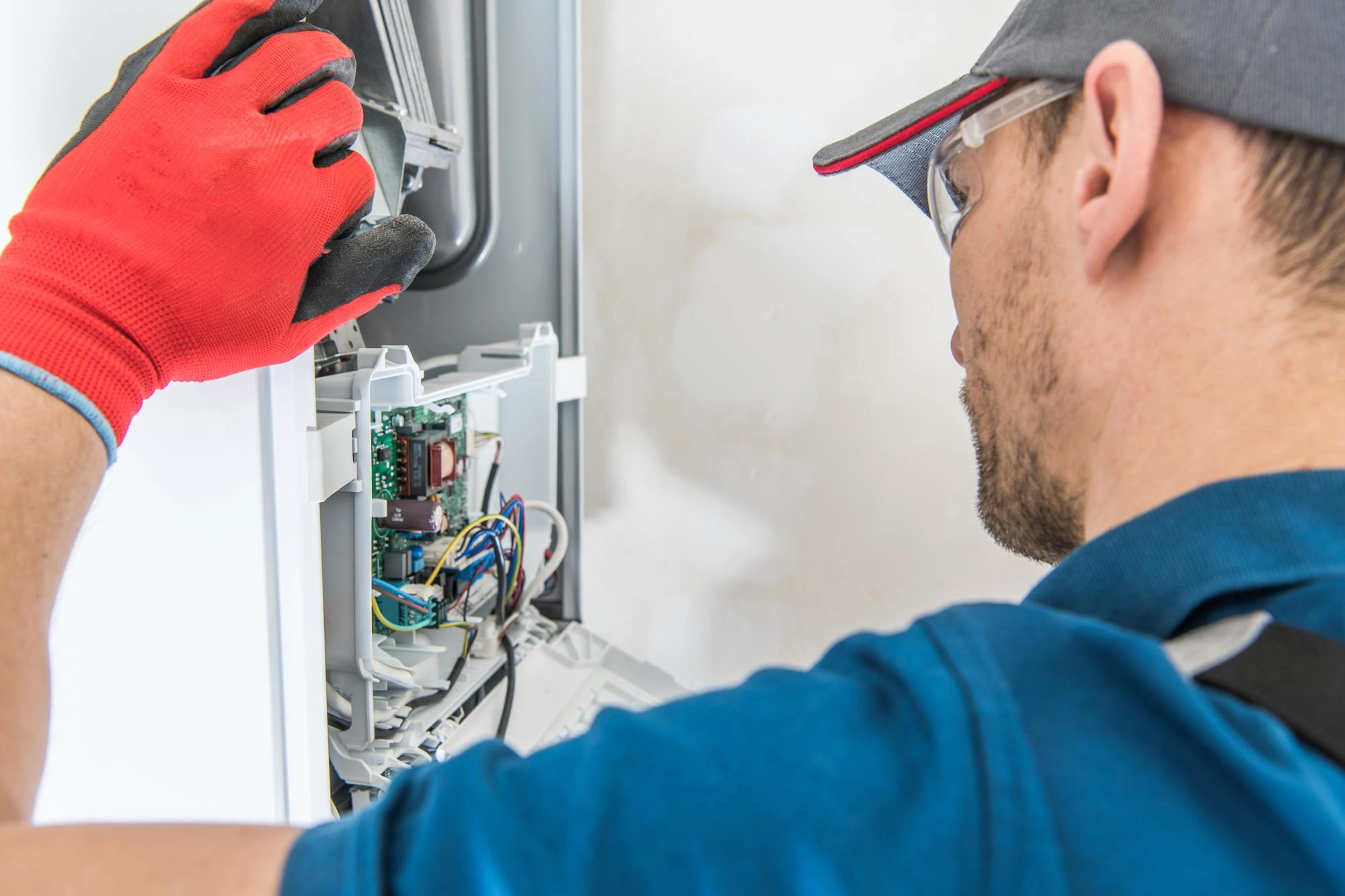
Depending on the fault, an engineer may need to investigate:
- Fault codes or warning lights
- Ignition problems
- Loss of pressure
- Heating or hot water issues
- Leaks
- Unusual noises
- Electrical or control faults
- Component failures
- Flue or combustion-related concerns
Once the problem has been identified, the repair options can be considered.
This is useful because replacing a boiler without understanding the underlying problem can lead to unnecessary expenditure.
If your boiler has developed a fault, Heatxpert can assess the installation and help you understand whether the issue needs repair or whether replacement should be considered.
How much should you expect to spend on a boiler repair?
There is no single figure that applies to every fault.
The boiler repair cost depends on the problem, the component involved, the appliance and the amount of work required.
A relatively straightforward issue may require limited labour and a replacement component. A more complicated fault may involve additional diagnostic work or a costly part.
When deciding whether to repair or replace, it can therefore be useful to consider:
- The age of the existing boiler
- The type and frequency of faults
- The availability of replacement components
- The likely repair work
- The condition of other heating components
- The age and suitability of the current system
- The potential cost of continued repairs
A repair quote should be considered alongside the condition of the whole appliance rather than viewed in isolation.
When does repeated repairing become a wider concern?
One isolated fault does not necessarily mean that a boiler has reached the end of its useful service.
Repeated breakdowns are different because they may indicate that the appliance or its components are becoming increasingly unreliable.
For example, if a homeowner has already experienced several faults within a relatively short period, another repair may only address the immediate problem without changing the wider condition of the boiler.
That does not mean replacement is automatically the right answer. It means the decision deserves a broader assessment.
A useful discussion should consider both the immediate fault and whether continued repairs are likely to remain practical.
What does boiler cover actually provide?
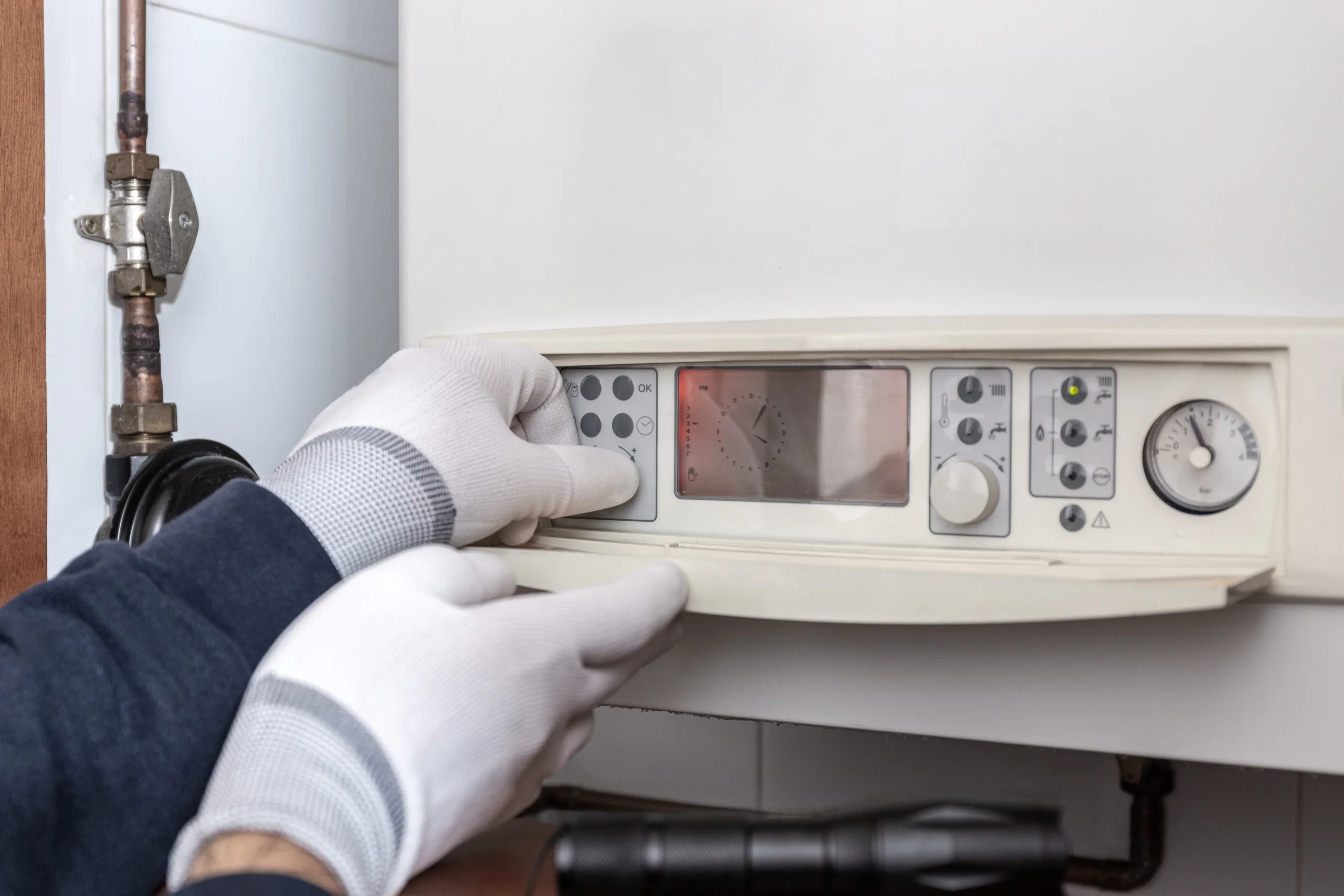
Boiler cover is designed to provide support for certain boiler or heating system problems under the terms of a particular policy.
The exact level of cover varies between providers.
Depending on the policy, cover may include some combination of:
- Boiler breakdown
- Heating system faults
- Certain replacement components
- Engineer callouts
- Labour
- Emergency assistance
- Annual service arrangements
However, policies can contain exclusions, limits, waiting periods, excesses and restrictions.
This means homeowners should read the actual policy terms rather than assuming that all boiler cover provides the same protection.
If you are researching boiler cover reading, check exactly what is included and excluded before relying on it to meet future repair costs.
Does boiler cover pay for every repair?
No.
The terms of the policy determine what is covered.
Some policies may exclude certain appliances, components, pre-existing faults or types of damage. There may also be limits on the number of claims, repair values or particular parts of the heating system.
Before purchasing or relying on cover, check:
|
Policy detail |
Why it matters |
|
Covered appliance |
Confirms whether your boiler is eligible |
|
Covered components |
Shows which parts are included |
|
Labour |
Establishes whether engineer time is covered |
|
Callouts |
Shows how emergency visits are handled |
|
Excess |
Identifies what you may pay per claim |
|
Waiting period |
Establishes when cover becomes active |
|
Claim limits |
Shows whether financial or usage limits apply |
|
Exclusions |
Identifies situations the policy does not cover |
|
Renewal terms |
Shows what happens after the initial policy period |
Reading these details before a problem occurs can prevent unpleasant surprises later.
Can boiler cover be taken out after a fault develops?
This depends on the provider and policy terms, but homeowners should not assume that an existing problem will automatically be covered.
Some policies have waiting periods or exclusions relating to faults that were already present before the policy began.
If a boiler is currently showing a fault, it is important to disclose relevant information accurately when discussing cover.
Trying to arrange cover solely to deal with an existing problem may not produce the protection expected.
The policy documentation should always be checked for the specific terms and exclusions.
Is boiler cover useful when you are considering replacement?
It depends on the age and condition of the existing appliance and what protection the policy provides.
If a boiler is older and becoming unreliable, cover may provide some protection against eligible breakdowns while the homeowner considers longer-term replacement.
However, cover does not necessarily make an ageing boiler economical to keep indefinitely.
If repairs are becoming frequent or major components are failing, it may be sensible to compare the expected repair requirements with the practical benefits of installing a replacement.
The decision should be based on the condition of the boiler and the homeowner’s circumstances rather than assuming that cover automatically makes continued repair worthwhile.
What should you check before deciding to replace a boiler?
Before arranging a replacement, establish why the current boiler is being replaced.
Ask:
- What fault has been identified?
- Can the appliance be repaired safely?
- What component needs attention?
- How much is the repair expected to cost?
- Has the boiler experienced repeated faults?
- Is the existing system still suitable for the property?
- Are replacement parts readily available?
- Would repair only address the immediate fault?
- What would a replacement installation involve?
- Would any existing cover affect the repair decision?
These questions can help separate an immediate repair decision from a longer-term replacement decision.
Let’s get started, Which fuel powers your boiler?
Mains Gas
LPG
Oil
It just takes 60 Seconds
And then you can book a free consultation
How does the age of the boiler affect the repair or replacement decision?
Age can be relevant, but it should not be the only consideration.
An older boiler may continue to operate reliably for some time, while a newer appliance can still develop faults. The actual condition and history of the system are more useful than age alone.
When assessing an older boiler, consider:
- Its repair history
- Current fault
- Availability of parts
- General condition
- Heating performance
- Hot water performance
- Previous maintenance
- Whether it remains suitable for the property
If a significant component fails, the homeowner can then compare the repair requirement with the option of replacing the appliance.
Can boiler cover affect the timing of a replacement?
It can influence how a homeowner approaches an unexpected breakdown, but it should not prevent necessary action.
For example, if a covered boiler develops a fault, the homeowner may contact the provider and arrange an engineer visit. If the appliance is repairable under the policy, that may resolve the immediate issue.
If the boiler is unsuitable for continued operation or replacement becomes necessary, a separate installation decision may follow.
The important point is to understand the distinction between repair assistance and replacement.
A cover policy may help with eligible repairs, but it does not automatically mean that a new boiler will be provided.
If you are unsure whether your current boiler should be repaired or replaced, Heatxpert can help you understand the practical installation considerations before you commit to a new system.
What happens if the existing boiler fails while you are planning replacement?
An unexpected breakdown can make the decision more urgent.
The first priority should be safety. If there is a suspected gas leak, carbon monoxide concern or other immediate safety issue, follow the appropriate emergency guidance and do not continue using an unsafe appliance.
For a normal breakdown, the next step is to establish whether the fault can be repaired and whether the repair is a sensible short-term solution.
If replacement has already been planned, an engineer can assess whether the existing appliance can remain operational while arrangements are made for the new installation.
The timescale depends on the fault, availability of parts and installation requirements.
Should you compare repair costs with a new boiler quotation?
Yes, when replacement is already being considered.
A repair figure tells you what it may cost to address the current problem. A new boiler quotation tells you what would be involved in replacing the appliance.
These are different decisions, so they should be compared carefully.
For example:
|
Option |
What it involves |
Main consideration |
|
Repair |
Diagnose and fix the current fault |
Condition of existing boiler |
|
Further repair |
Address another or recurring issue |
Repair history |
|
Replacement |
Install a new boiler and associated components |
Installation scope and suitability |
|
Cover |
Pay for a policy providing specified protection |
Terms, exclusions and limits |
The figures should not be compared as though they represent the same service.
A repair may be much cheaper initially, while replacement involves a larger upfront commitment but changes the appliance itself.
What should you know before arranging a replacement?
If replacement is chosen, the next step is to understand the proposed installation.
The installer should assess:
- Boiler size and type
- Existing system
- Boiler location
- Flue arrangement
- Pipework
- Condensate drainage
- Controls
- Access
- Removal of the existing appliance
This assessment forms the basis for the installation quotation.
A clear quotation should then explain what work is included and identify significant assumptions or exclusions.
Can existing boiler cover continue after replacement?
Not necessarily.
Replacing the boiler may change the circumstances covered by an existing policy. Some policies may need to be updated, while others may no longer apply to the new appliance.
If you have an existing cover agreement, check with the provider before assuming that it will continue unchanged after installation.
You may need to confirm:
- Whether the new boiler is covered
- Whether the policy needs updating
- Whether the premium changes
- Whether existing terms still apply
- Whether there are any new exclusions or conditions
Do not cancel or change a policy solely on the assumption that replacement automatically makes it unnecessary. Check the actual agreement first.
How can you plan for future boiler problems?
Even after installing a new boiler, sensible maintenance can help you keep track of the system’s condition.
Homeowners should understand:
- When the boiler should be serviced
- How to use the controls
- What the normal pressure should be
- Which warning signs to look out for
- Who to contact if a fault develops
- What warranty or cover arrangements apply
Keeping installation and maintenance documentation in one place can also make future queries easier.
If your existing boiler is becoming unreliable and you are considering replacement in Reading, contact Heatxpert to discuss the condition of the system and the installation options available.
What is the difference between repair, cover and replacement?
These three options address different needs.
Repair deals with a specific fault affecting an existing appliance.
Cover provides protection against certain problems according to the terms of a policy.
Replacement involves removing the existing appliance and installing a new one.
They can overlap, but they should not be treated as interchangeable.
A homeowner might have cover and still eventually need a replacement boiler. Another homeowner might choose to pay for a repair without having cover. Someone else may decide that replacing an ageing boiler is more appropriate than continuing to repair it.
The circumstances of the property and boiler determine which route needs to be considered.
What should you plan before replacing a boiler?
A boiler fault does not automatically mean replacement is necessary, just as having boiler cover does not necessarily mean an ageing appliance should continue indefinitely.
Start by understanding the current fault and the condition of the boiler. If repair is possible, consider the likely work and boiler repair cost alongside the appliance’s wider history. If cover is available, check exactly what the policy includes and whether any exclusions or waiting periods apply.
If replacement becomes the practical option, obtain a clear assessment and quotation so you understand what the new installation involves.
For homeowners in Reading, Heatxpert can help explain the practical differences between repairing an existing system and planning a replacement, giving you clearer information before installation work begins.
Related articles
Let’s get started, Which fuel powers your boiler?
Mains Gas
LPG
Oil
At a glance
These questions are particularly relevant when you are already considering a new boiler. Understanding the condition of the existing system, the likely repair requirements and any cover arrangements can help you plan before installation becomes urgent.
This guide looks at what to consider before replacing a boiler, including when a repair may still make sense, what boiler cover actually provides and how these decisions can relate to the wider installation process.
Should you repair an existing boiler before deciding on replacement?
Sometimes, yes.
A boiler fault does not automatically mean that the appliance needs replacing. Some problems can be diagnosed and repaired without replacing the entire boiler.
The first step should be to establish what has actually gone wrong.
Depending on the fault, an engineer may need to investigate:
- Fault codes or warning lights
- Ignition problems
- Loss of pressure
- Heating or hot water issues
- Leaks
- Unusual noises
- Electrical or control faults
- Component failures
- Flue or combustion-related concerns
Once the problem has been identified, the repair options can be considered.
This is useful because replacing a boiler without understanding the underlying problem can lead to unnecessary expenditure.
If your boiler has developed a fault, Heatxpert can assess the installation and help you understand whether the issue needs repair or whether replacement should be considered.
How much should you expect to spend on a boiler repair?
There is no single figure that applies to every fault.
The boiler repair cost depends on the problem, the component involved, the appliance and the amount of work required.
A relatively straightforward issue may require limited labour and a replacement component. A more complicated fault may involve additional diagnostic work or a costly part.
When deciding whether to repair or replace, it can therefore be useful to consider:
- The age of the existing boiler
- The type and frequency of faults
- The availability of replacement components
- The likely repair work
- The condition of other heating components
- The age and suitability of the current system
- The potential cost of continued repairs
A repair quote should be considered alongside the condition of the whole appliance rather than viewed in isolation.
When does repeated repairing become a wider concern?
One isolated fault does not necessarily mean that a boiler has reached the end of its useful service.
Repeated breakdowns are different because they may indicate that the appliance or its components are becoming increasingly unreliable.
For example, if a homeowner has already experienced several faults within a relatively short period, another repair may only address the immediate problem without changing the wider condition of the boiler.
That does not mean replacement is automatically the right answer. It means the decision deserves a broader assessment.
A useful discussion should consider both the immediate fault and whether continued repairs are likely to remain practical.
What does boiler cover actually provide?
Boiler cover is designed to provide support for certain boiler or heating system problems under the terms of a particular policy.
The exact level of cover varies between providers.
Depending on the policy, cover may include some combination of:
- Boiler breakdown
- Heating system faults
- Certain replacement components
- Engineer callouts
- Labour
- Emergency assistance
- Annual service arrangements
However, policies can contain exclusions, limits, waiting periods, excesses and restrictions.
This means homeowners should read the actual policy terms rather than assuming that all boiler cover provides the same protection.
If you are researching boiler cover reading, check exactly what is included and excluded before relying on it to meet future repair costs.
Does boiler cover pay for every repair?
No.
The terms of the policy determine what is covered.
Some policies may exclude certain appliances, components, pre-existing faults or types of damage. There may also be limits on the number of claims, repair values or particular parts of the heating system.
Before purchasing or relying on cover, check:
|
Policy detail |
Why it matters |
|
Covered appliance |
Confirms whether your boiler is eligible |
|
Covered components |
Shows which parts are included |
|
Labour |
Establishes whether engineer time is covered |
|
Callouts |
Shows how emergency visits are handled |
|
Excess |
Identifies what you may pay per claim |
|
Waiting period |
Establishes when cover becomes active |
|
Claim limits |
Shows whether financial or usage limits apply |
|
Exclusions |
Identifies situations the policy does not cover |
|
Renewal terms |
Shows what happens after the initial policy period |
Reading these details before a problem occurs can prevent unpleasant surprises later.
Can boiler cover be taken out after a fault develops?
This depends on the provider and policy terms, but homeowners should not assume that an existing problem will automatically be covered.
Some policies have waiting periods or exclusions relating to faults that were already present before the policy began.
If a boiler is currently showing a fault, it is important to disclose relevant information accurately when discussing cover.
Trying to arrange cover solely to deal with an existing problem may not produce the protection expected.
The policy documentation should always be checked for the specific terms and exclusions.
Is boiler cover useful when you are considering replacement?
It depends on the age and condition of the existing appliance and what protection the policy provides.
If a boiler is older and becoming unreliable, cover may provide some protection against eligible breakdowns while the homeowner considers longer-term replacement.
However, cover does not necessarily make an ageing boiler economical to keep indefinitely.
If repairs are becoming frequent or major components are failing, it may be sensible to compare the expected repair requirements with the practical benefits of installing a replacement.
The decision should be based on the condition of the boiler and the homeowner’s circumstances rather than assuming that cover automatically makes continued repair worthwhile.
What should you check before deciding to replace a boiler?
Before arranging a replacement, establish why the current boiler is being replaced.
Ask:
- What fault has been identified?
- Can the appliance be repaired safely?
- What component needs attention?
- How much is the repair expected to cost?
- Has the boiler experienced repeated faults?
- Is the existing system still suitable for the property?
- Are replacement parts readily available?
- Would repair only address the immediate fault?
- What would a replacement installation involve?
- Would any existing cover affect the repair decision?
These questions can help separate an immediate repair decision from a longer-term replacement decision.
Let’s get started, Which fuel powers your boiler?
Mains Gas
LPG
Oil
It just takes 60 Seconds
And then you can book a free consultation
How does the age of the boiler affect the repair or replacement decision?
Age can be relevant, but it should not be the only consideration.
An older boiler may continue to operate reliably for some time, while a newer appliance can still develop faults. The actual condition and history of the system are more useful than age alone.
When assessing an older boiler, consider:
- Its repair history
- Current fault
- Availability of parts
- General condition
- Heating performance
- Hot water performance
- Previous maintenance
- Whether it remains suitable for the property
If a significant component fails, the homeowner can then compare the repair requirement with the option of replacing the appliance.
Can boiler cover affect the timing of a replacement?
It can influence how a homeowner approaches an unexpected breakdown, but it should not prevent necessary action.
For example, if a covered boiler develops a fault, the homeowner may contact the provider and arrange an engineer visit. If the appliance is repairable under the policy, that may resolve the immediate issue.
If the boiler is unsuitable for continued operation or replacement becomes necessary, a separate installation decision may follow.
The important point is to understand the distinction between repair assistance and replacement.
A cover policy may help with eligible repairs, but it does not automatically mean that a new boiler will be provided.
If you are unsure whether your current boiler should be repaired or replaced, Heatxpert can help you understand the practical installation considerations before you commit to a new system.
What happens if the existing boiler fails while you are planning replacement?
An unexpected breakdown can make the decision more urgent.
The first priority should be safety. If there is a suspected gas leak, carbon monoxide concern or other immediate safety issue, follow the appropriate emergency guidance and do not continue using an unsafe appliance.
For a normal breakdown, the next step is to establish whether the fault can be repaired and whether the repair is a sensible short-term solution.
If replacement has already been planned, an engineer can assess whether the existing appliance can remain operational while arrangements are made for the new installation.
The timescale depends on the fault, availability of parts and installation requirements.
Should you compare repair costs with a new boiler quotation?
Yes, when replacement is already being considered.
A repair figure tells you what it may cost to address the current problem. A new boiler quotation tells you what would be involved in replacing the appliance.
These are different decisions, so they should be compared carefully.
For example:
|
Option |
What it involves |
Main consideration |
|
Repair |
Diagnose and fix the current fault |
Condition of existing boiler |
|
Further repair |
Address another or recurring issue |
Repair history |
|
Replacement |
Install a new boiler and associated components |
Installation scope and suitability |
|
Cover |
Pay for a policy providing specified protection |
Terms, exclusions and limits |
The figures should not be compared as though they represent the same service.
A repair may be much cheaper initially, while replacement involves a larger upfront commitment but changes the appliance itself.
What should you know before arranging a replacement?
If replacement is chosen, the next step is to understand the proposed installation.
The installer should assess:
- Boiler size and type
- Existing system
- Boiler location
- Flue arrangement
- Pipework
- Condensate drainage
- Controls
- Access
- Removal of the existing appliance
This assessment forms the basis for the installation quotation.
A clear quotation should then explain what work is included and identify significant assumptions or exclusions.
Can existing boiler cover continue after replacement?
Not necessarily.
Replacing the boiler may change the circumstances covered by an existing policy. Some policies may need to be updated, while others may no longer apply to the new appliance.
If you have an existing cover agreement, check with the provider before assuming that it will continue unchanged after installation.
You may need to confirm:
- Whether the new boiler is covered
- Whether the policy needs updating
- Whether the premium changes
- Whether existing terms still apply
- Whether there are any new exclusions or conditions
Do not cancel or change a policy solely on the assumption that replacement automatically makes it unnecessary. Check the actual agreement first.
How can you plan for future boiler problems?
Even after installing a new boiler, sensible maintenance can help you keep track of the system’s condition.
Homeowners should understand:
- When the boiler should be serviced
- How to use the controls
- What the normal pressure should be
- Which warning signs to look out for
- Who to contact if a fault develops
- What warranty or cover arrangements apply
Keeping installation and maintenance documentation in one place can also make future queries easier.
If your existing boiler is becoming unreliable and you are considering replacement in Reading, contact Heatxpert to discuss the condition of the system and the installation options available.
What is the difference between repair, cover and replacement?
These three options address different needs.
Repair deals with a specific fault affecting an existing appliance.
Cover provides protection against certain problems according to the terms of a policy.
Replacement involves removing the existing appliance and installing a new one.
They can overlap, but they should not be treated as interchangeable.
A homeowner might have cover and still eventually need a replacement boiler. Another homeowner might choose to pay for a repair without having cover. Someone else may decide that replacing an ageing boiler is more appropriate than continuing to repair it.
The circumstances of the property and boiler determine which route needs to be considered.
What should you plan before replacing a boiler?
A boiler fault does not automatically mean replacement is necessary, just as having boiler cover does not necessarily mean an ageing appliance should continue indefinitely.
Start by understanding the current fault and the condition of the boiler. If repair is possible, consider the likely work and boiler repair cost alongside the appliance’s wider history. If cover is available, check exactly what the policy includes and whether any exclusions or waiting periods apply.
If replacement becomes the practical option, obtain a clear assessment and quotation so you understand what the new installation involves.
For homeowners in Reading, Heatxpert can help explain the practical differences between repairing an existing system and planning a replacement, giving you clearer information before installation work begins.
