
Combi Boiler Replacement Reading: What Happens From Removing the Old Boiler to Fitting the New One?
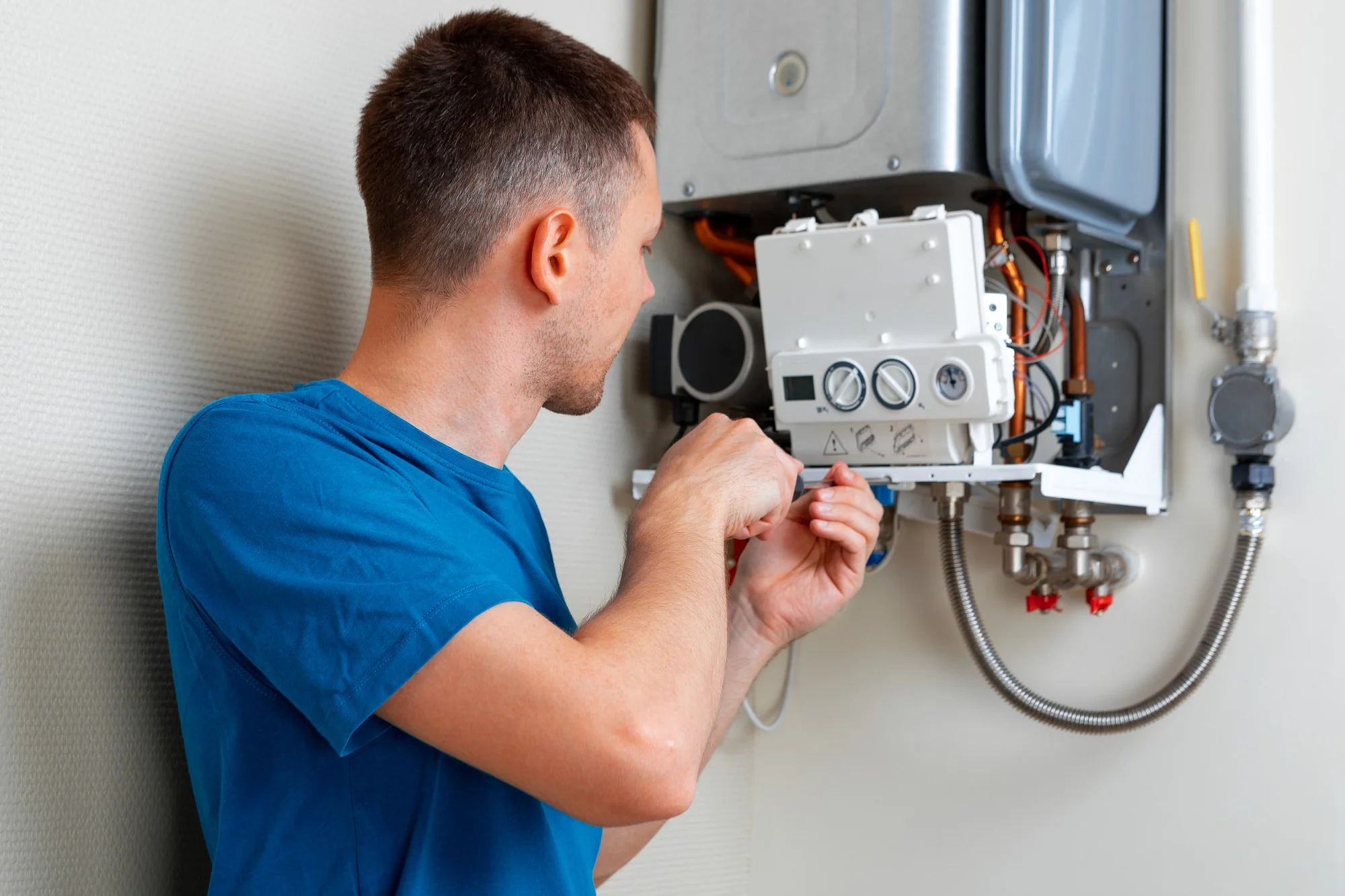
Replacing a combi boiler can look straightforward from the outside. The old appliance is removed, a new one is fitted and the heating is switched back on. In practice, there are several stages between those points, and each one matters to the safety, performance and reliability of the finished system.

Why you can trust our content
We understand that the boiler industry can be confusing, with plenty of outdated or misleading information. That’s why we rely only on trusted, proven sources to guide our advice and installations:

At a glance
Understanding the process can make a replacement easier to plan. It also helps you recognise why installation requirements can vary between properties, even when both homes are replacing similar boilers.
This guide explains what normally happens during a combi boiler replacement reading, from the initial assessment and preparation through to removal, installation, testing and handover.
What should happen before the old combi boiler is removed?
A replacement should begin with an assessment of the existing system rather than immediately taking out the old appliance.
The installer needs to understand how the current boiler operates and whether the proposed replacement is suitable for the property. This can include checking:
- The existing boiler and its location
- Heating and hot water requirements
- Gas supply and pipework
- Existing heating pipework
- Flue arrangement
- Condensate drainage
- Electrical connections
- Heating controls
- Access to the boiler and surrounding area
The proposed boiler should also be suitable for the home’s requirements. A combi boiler provides heating and hot water directly, so factors such as hot water demand and incoming mains water performance can be relevant.
A proper assessment can also identify work that may be needed before the new appliance is fitted.
Does the existing boiler need to be drained before removal?
Usually, yes. The installer needs to isolate the appliance and prepare the heating and water connections before it can be safely removed.
The exact process depends on the existing system and boiler arrangement, but the work can involve:
- Isolating the relevant supplies
- Draining or managing the heating system as required
- Disconnecting the boiler
- Removing associated components where necessary
- Protecting the working area
- Taking the old appliance out of the property
The surrounding area should be treated carefully during removal. Older boilers can be heavy, and access may be restricted by cupboards, worktops, walls or other fixtures.
This is one reason a replacement is more involved than simply swapping two appliances.
If you are planning a combi replacement, Heatxpert can assess the existing installation and explain what the replacement process is likely to involve.
Let’s get started, Which fuel powers your boiler?
Mains Gas
LPG
Oil
It just takes 60 Seconds
And then you can book a free consultation
What happens to the old boiler and connections?
Once the old boiler has been disconnected, the installer can inspect the exposed connections and surrounding installation.
This stage can be particularly useful because some parts of the existing system may be hidden when the boiler is still in position.
The installer may need to assess:
- Existing pipework condition
- Connection positions
- Flue opening and route
- Condensate arrangements
- Wall condition
- Electrical connections
- Space available for the replacement appliance
Some existing components may be suitable for reuse, while others may need modification or replacement to meet the requirements of the new boiler.
The aim is not simply to make the new appliance fit. The installation needs to be completed correctly for the new system and manufacturer requirements.
Will the new combi boiler always go in exactly the same position?
Not necessarily.
Keeping the new boiler in the existing location can sometimes make the replacement simpler, but the suitability of that position still needs to be considered.
The installer may need to account for:
- Required clearances around the appliance
- Flue positioning
- Access for servicing
- Pipework routes
- Condensate drainage
- Cupboard or enclosure dimensions
- Manufacturer installation requirements
If the boiler is being moved, the scope of work can increase because additional pipework, flue work, drainage or electrical alterations may be needed.
This can also affect the overall boiler replacement cost.
A move should therefore be discussed before installation rather than assumed to be a straightforward part of the replacement.
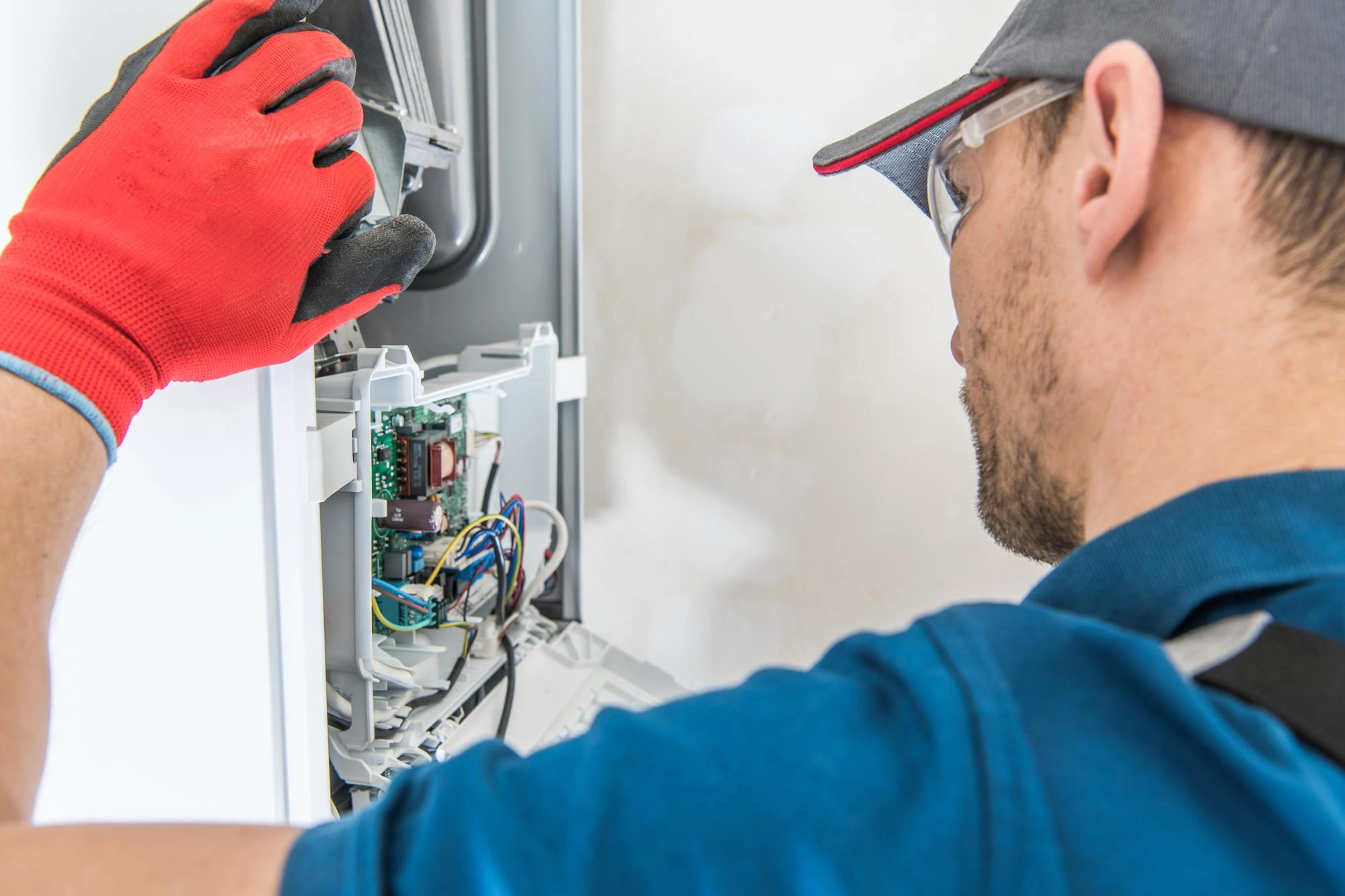
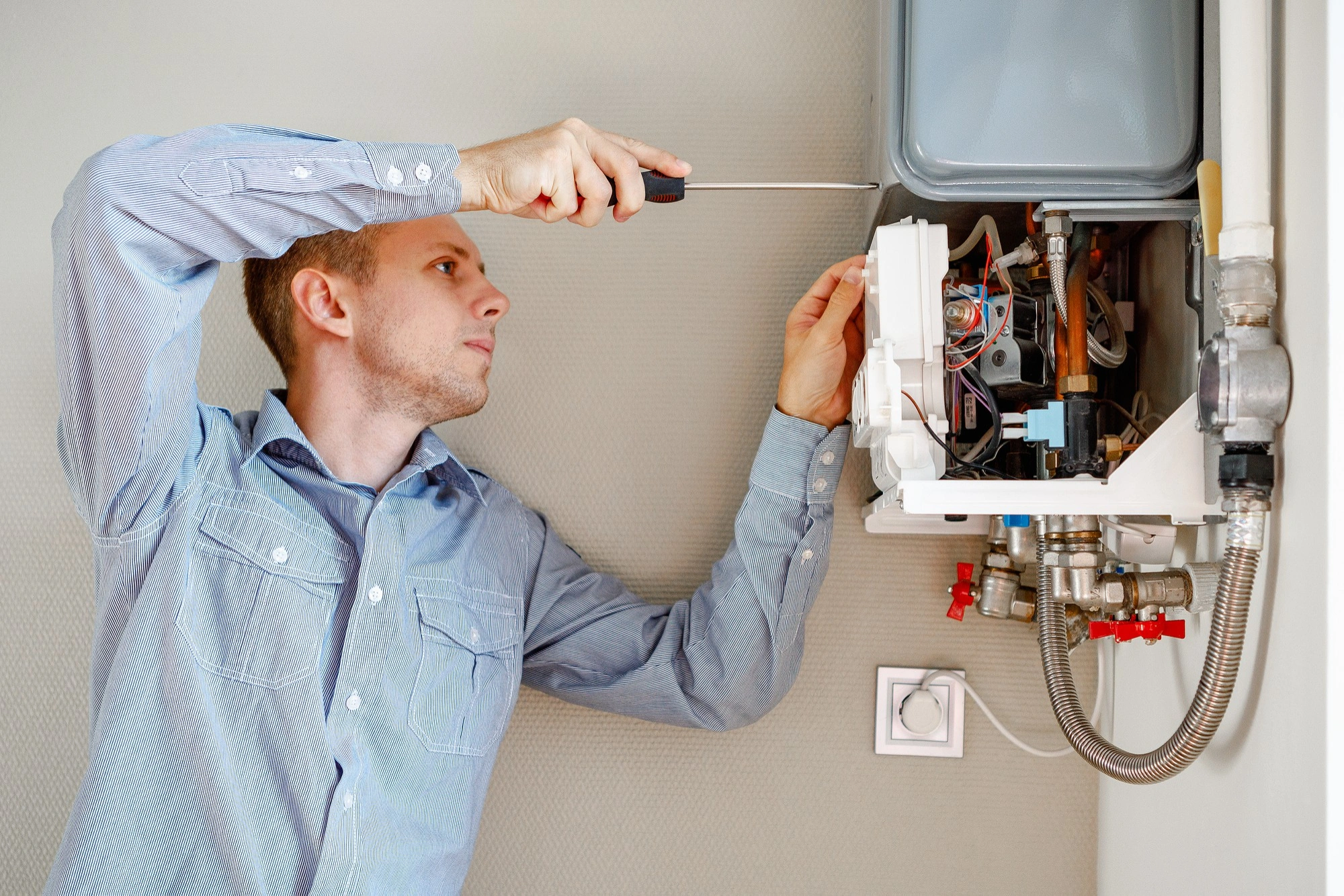
What happens when the new boiler is fitted?
Once the old appliance has been removed and the installation area is ready, the new combi boiler can be positioned and connected.
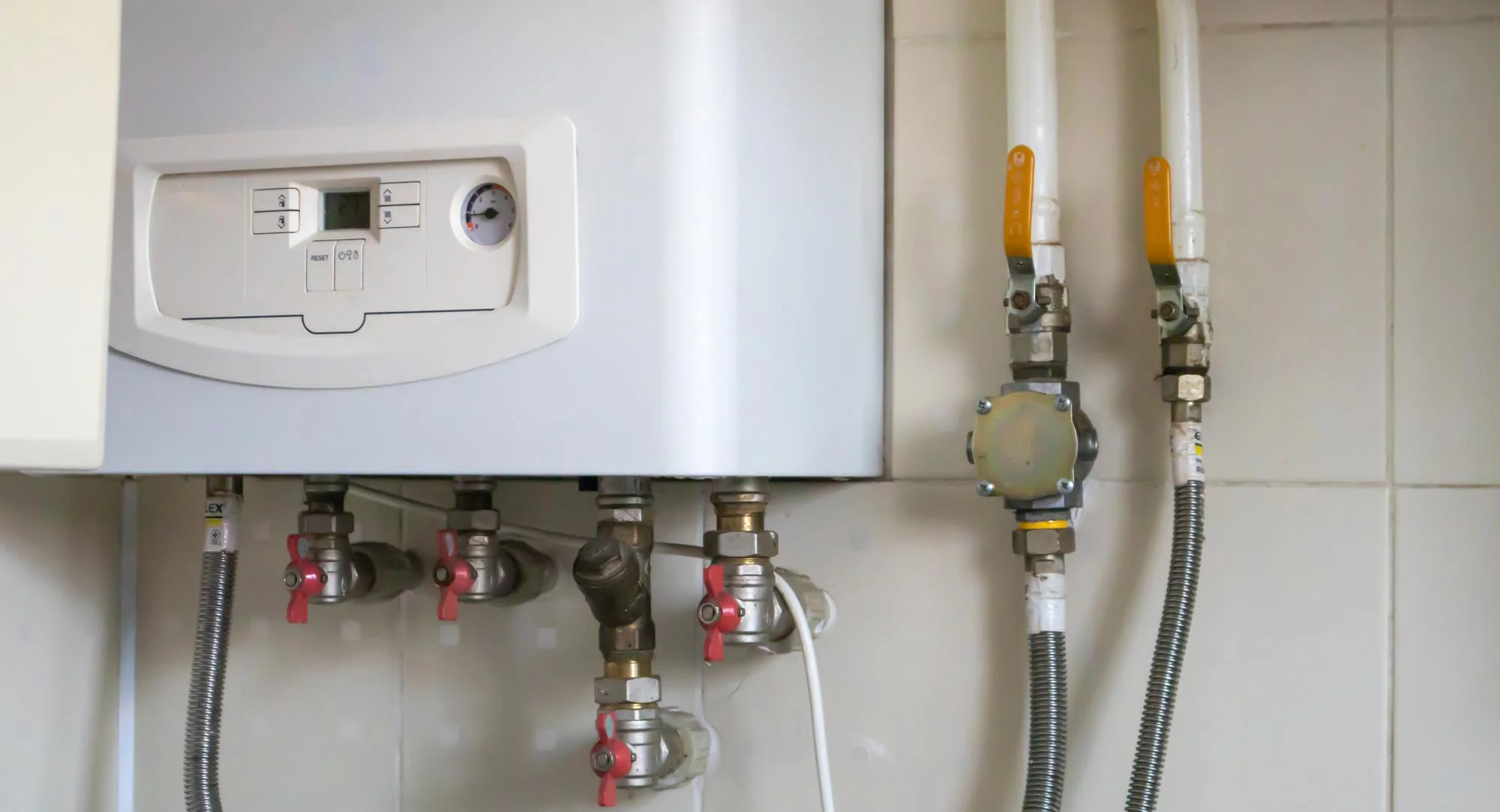
The exact sequence varies by property, but the installation can involve connecting:
- Gas pipework
- Heating flow and return
- Mains cold water
- Domestic hot water outlet
- Condensate pipework
- Flue components
- Electrical supply
- Heating controls
The boiler must be installed according to the manufacturer’s instructions and the requirements applicable to the installation.
This is also the point where previously identified pipework or control changes are completed.
The finished installation should not simply look tidy. The appliance, connections and associated components all need to function correctly as part of the heating and hot water system.
Why does the flue need particular attention?
The flue is a critical part of a gas boiler installation because it safely carries combustion products away from the appliance.
When replacing an older boiler, the existing flue arrangement may not automatically be suitable for the new appliance.
The installer needs to consider the new boiler manufacturer’s requirements and the position of the flue terminal.
Depending on the installation, this may mean replacing or altering flue components rather than simply connecting the new boiler to the old arrangement.
The flue route and terminal position should therefore be assessed as part of the installation rather than treated as an afterthought.
Can pipework need to be changed during a combi replacement?
Yes.
The new boiler may have different connection positions from the old appliance. Existing pipework may therefore need to be altered to make the installation suitable.
There may also be cases where existing pipework requires attention because of its condition, configuration or suitability for the replacement system.
The amount of pipework work can vary considerably between properties.
For example, replacing a boiler in the same location with compatible connections may require relatively limited changes. Moving the boiler to another wall or room can require much more extensive work.
This is another reason why a proper survey is useful when estimating boiler replacement cost.
What happens to the heating system after the new boiler is connected?
Once the boiler and associated components have been installed, the system needs to be prepared for operation.
This can include filling the heating system to the appropriate pressure, checking connections and dealing with air within the system.
The installer should also check that there are no leaks and that the system responds correctly to the controls.
Where appropriate, radiators and other heating components may be checked as part of getting the system ready to operate.
The exact commissioning process depends on the boiler and heating system.
Before agreeing to a replacement, ask Heatxpert what preparation, pipework and commissioning work is included so the proposed installation is clear from the beginning.
How is a new combi boiler tested before handover?
Testing and commissioning are essential parts of the installation.
The installer should follow the manufacturer’s commissioning requirements and carry out the appropriate checks for the appliance and system.
This can include checking:
- Gas operation
- Boiler pressure
- Heating operation
- Hot water operation
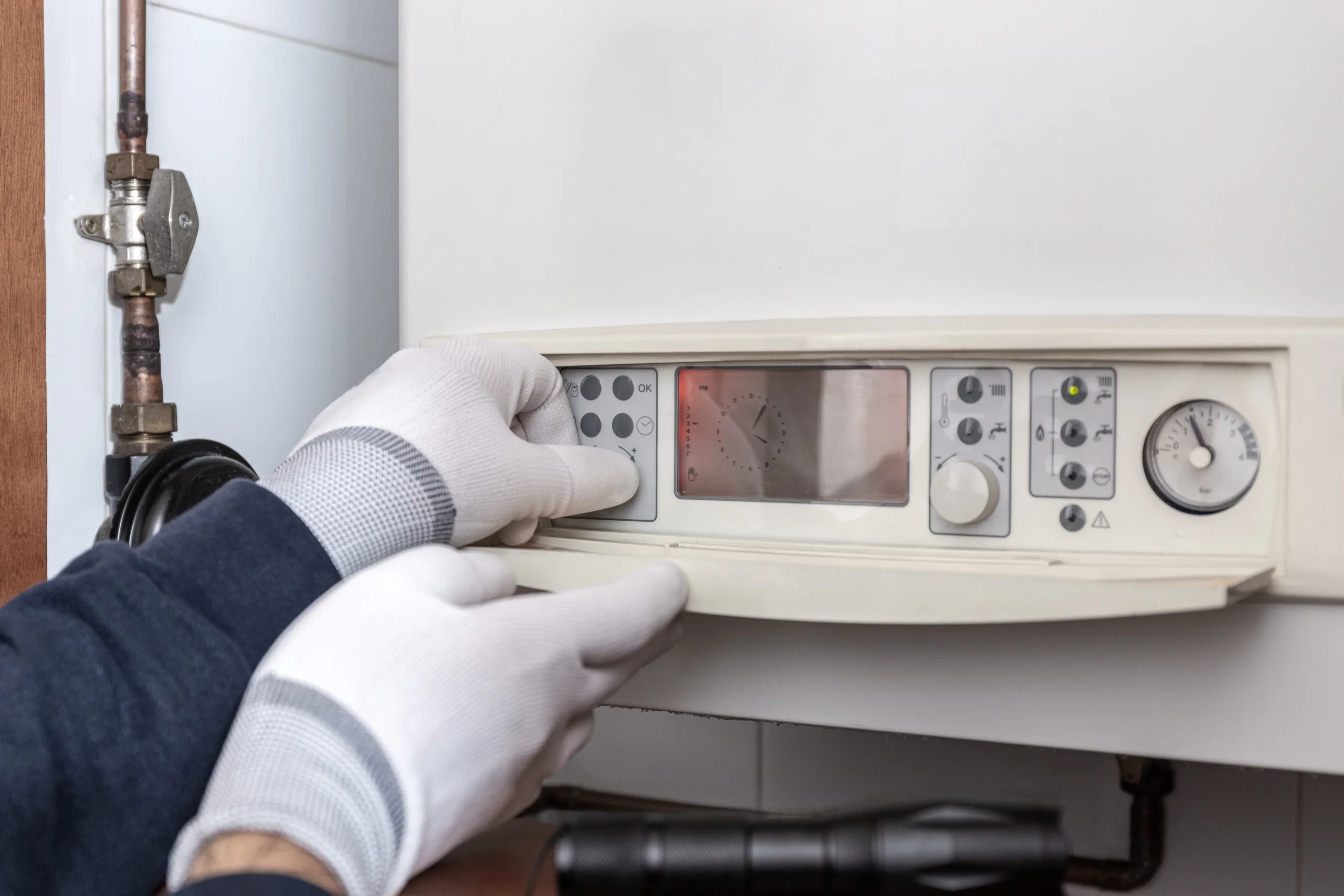
- Controls
- Flue performance and installation
- System connections
- Safety functions
- Condensate arrangements
The boiler should not simply be switched on and left running.
Commissioning provides an opportunity to confirm that the appliance is operating as intended and that the installation has been completed correctly.
What should you be shown after the installation?
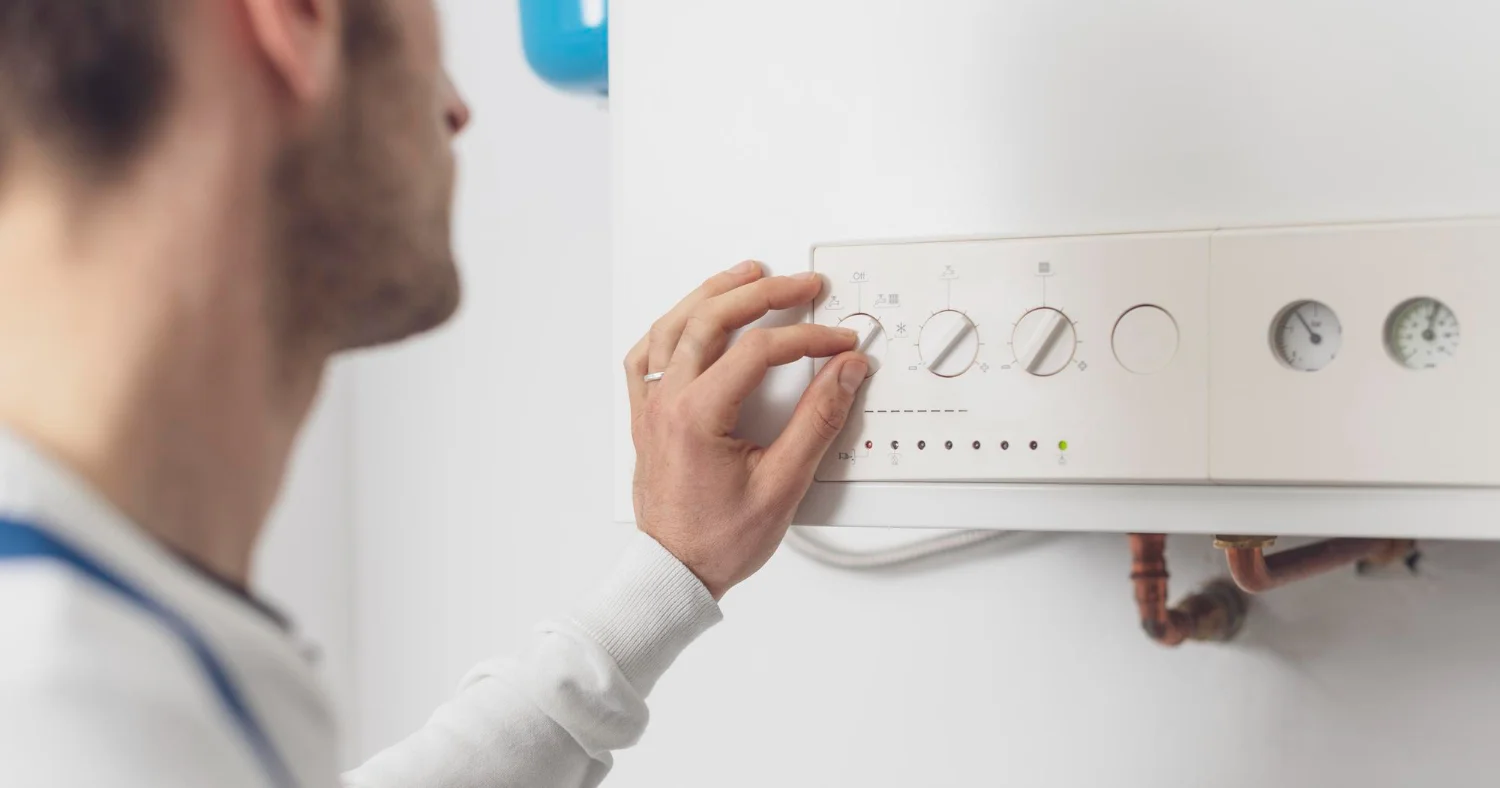
A useful handover should leave the homeowner confident about operating the new boiler.
The installer can explain practical points such as:
- How to switch heating and hot water on and off
- How to adjust the thermostat
- How to use the programmer or control
- What boiler pressure means
- What basic checks the homeowner can make
- What to do if the boiler displays a fault code
- Where the boiler documentation is kept
It is worth asking questions at this stage, even if the controls seem familiar.
A new boiler may have different settings or functions from the previous appliance, and understanding them can help you use the system effectively.
What if an unexpected problem is discovered during replacement?
Sometimes removing an old boiler exposes an issue that could not be fully identified beforehand.
For example, concealed pipework may be in poorer condition than expected, or the planned flue route may not be suitable once the old installation has been removed.
The appropriate response is to stop and assess the issue rather than simply working around it.
Where additional work is needed, the homeowner should be informed about what has been discovered, why the work is necessary and whether it changes the agreed scope or price.
A clear conversation at this stage can help avoid misunderstandings.
How long does a combi boiler replacement take?
The duration depends on the installation.
A straightforward replacement in the same position may be completed relatively quickly, while a more complicated job can take longer.
Factors that can affect the time include:
- Whether the boiler is staying in the same position
- Pipework alterations
- Flue changes
- Control upgrades
- Access to the property
- Removal of the existing appliance
- Additional remedial work
- The condition of the existing system
It is therefore better to discuss the expected installation time with the installer after the property has been assessed rather than assuming every replacement will take the same amount of time.
What should you check before the installer leaves?
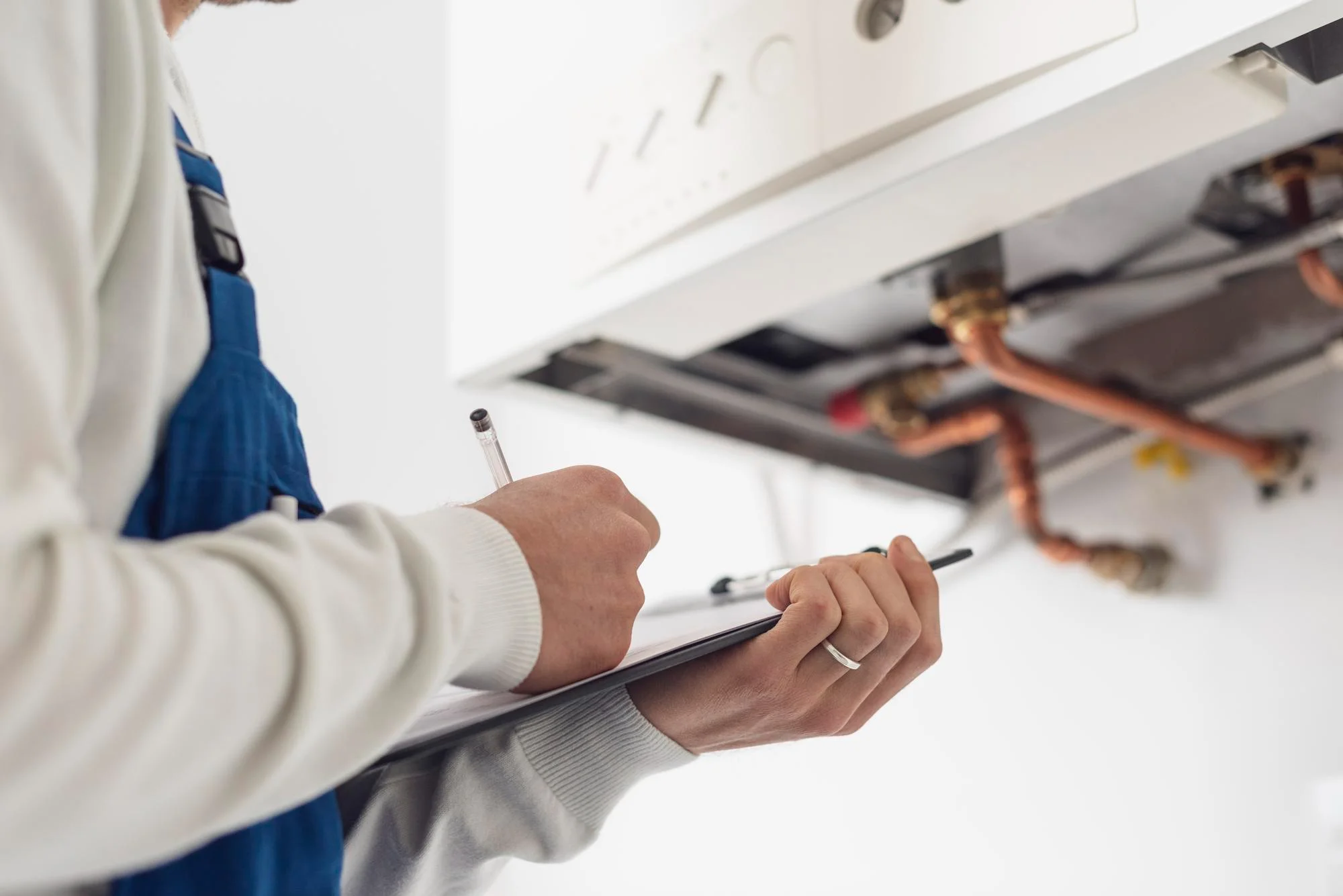
Before the job is considered complete, make sure you understand how the system works and that the key parts of the installation have been addressed.
A simple final checklist can include:
Boiler: Is the correct model installed?
Heating: Does the heating respond to the controls?
Hot water: Does the hot water operate as expected?
Controls: Have you been shown how to use them?
Pressure: Do you understand the normal operating pressure?
Documentation: Have you received the relevant information?
Handover: Have your questions been answered?
The installer should also leave the work area in a suitable condition and deal with the old appliance and installation waste as agreed.
What factors can affect the overall replacement price?
The cost of replacing a combi boiler is influenced by more than the appliance itself.
Important factors can include:
|
Factor |
Why it can affect the job |
|
Boiler model |
Different boilers have different specifications and prices |
|
Location |
Moving the boiler can add labour and materials |
|
Pipework |
Alterations may be required for the new connections |
|
Flue |
A new or altered flue arrangement may be necessary |
|
Controls |
New or upgraded controls can add to the scope |
|
Condensate |
Drainage arrangements may need modification |
|
Access |
Difficult access can affect labour requirements |
|
Existing system |
The condition and configuration can affect preparation |
This is why a property-specific assessment is more useful than relying on a generic replacement price.
Is replacing a combi boiler the same as repairing one?
No. Repair and replacement involve different decisions.
A repair may be appropriate where the existing appliance has a fault that can be safely and reasonably rectified. Replacement becomes a separate consideration when the appliance is unsuitable for continued use, repair is not practical, or the homeowner is planning a wider heating upgrade.
The decision should take account of the condition of the current boiler, the nature of the fault, the expected repair requirements and the suitability of the existing system.
What makes a combi boiler replacement straightforward?
A successful combi replacement is a process rather than a simple appliance swap.
The job starts with assessing the existing installation and choosing suitable equipment. It then moves through safe removal, preparation, fitting, connection, testing, commissioning and handover.
The exact requirements vary between properties, which is why a clear survey and quotation are important. Understanding the process also helps homeowners ask sensible questions before work begins.
For homeowners arranging a replacement in Reading, Heatxpert can provide practical guidance through the different stages of the installation, helping ensure that the proposed work is understood before the old boiler is removed.
If your existing combi boiler needs replacing, contact Heatxpert to discuss the property, installation requirements and next steps
Related articles
Let’s get started, Which fuel powers your boiler?
Mains Gas
LPG
Oil
At a glance
Understanding the process can make a replacement easier to plan. It also helps you recognise why installation requirements can vary between properties, even when both homes are replacing similar boilers.
This guide explains what normally happens during a combi boiler replacement reading, from the initial assessment and preparation through to removal, installation, testing and handover.
What should happen before the old combi boiler is removed?
A replacement should begin with an assessment of the existing system rather than immediately taking out the old appliance.
The installer needs to understand how the current boiler operates and whether the proposed replacement is suitable for the property. This can include checking:
- The existing boiler and its location
- Heating and hot water requirements
- Gas supply and pipework
- Existing heating pipework
- Flue arrangement
- Condensate drainage
- Electrical connections
- Heating controls
- Access to the boiler and surrounding area
The proposed boiler should also be suitable for the home’s requirements. A combi boiler provides heating and hot water directly, so factors such as hot water demand and incoming mains water performance can be relevant.
A proper assessment can also identify work that may be needed before the new appliance is fitted.
Does the existing boiler need to be drained before removal?
Usually, yes. The installer needs to isolate the appliance and prepare the heating and water connections before it can be safely removed.
The exact process depends on the existing system and boiler arrangement, but the work can involve:
- Isolating the relevant supplies
- Draining or managing the heating system as required
- Disconnecting the boiler
- Removing associated components where necessary
- Protecting the working area
- Taking the old appliance out of the property
The surrounding area should be treated carefully during removal. Older boilers can be heavy, and access may be restricted by cupboards, worktops, walls or other fixtures.
This is one reason a replacement is more involved than simply swapping two appliances.
If you are planning a combi replacement, Heatxpert can assess the existing installation and explain what the replacement process is likely to involve.
Let’s get started, Which fuel powers your boiler?
Mains Gas
LPG
Oil
It just takes 60 Seconds
And then you can book a free consultation
What happens to the old boiler and connections?
Once the old boiler has been disconnected, the installer can inspect the exposed connections and surrounding installation.
This stage can be particularly useful because some parts of the existing system may be hidden when the boiler is still in position.
The installer may need to assess:
- Existing pipework condition
- Connection positions
- Flue opening and route
- Condensate arrangements
- Wall condition
- Electrical connections
- Space available for the replacement appliance
Some existing components may be suitable for reuse, while others may need modification or replacement to meet the requirements of the new boiler.
The aim is not simply to make the new appliance fit. The installation needs to be completed correctly for the new system and manufacturer requirements.
Will the new combi boiler always go in exactly the same position?
Not necessarily.
Keeping the new boiler in the existing location can sometimes make the replacement simpler, but the suitability of that position still needs to be considered.
The installer may need to account for:
- Required clearances around the appliance
- Flue positioning
- Access for servicing
- Pipework routes
- Condensate drainage
- Cupboard or enclosure dimensions
- Manufacturer installation requirements
If the boiler is being moved, the scope of work can increase because additional pipework, flue work, drainage or electrical alterations may be needed.
This can also affect the overall boiler replacement cost.
A move should therefore be discussed before installation rather than assumed to be a straightforward part of the replacement.
What happens when the new boiler is fitted?
Once the old appliance has been removed and the installation area is ready, the new combi boiler can be positioned and connected.
The exact sequence varies by property, but the installation can involve connecting:
- Gas pipework
- Heating flow and return
- Mains cold water
- Domestic hot water outlet
- Condensate pipework
- Flue components
- Electrical supply
- Heating controls
The boiler must be installed according to the manufacturer’s instructions and the requirements applicable to the installation.
This is also the point where previously identified pipework or control changes are completed.
The finished installation should not simply look tidy. The appliance, connections and associated components all need to function correctly as part of the heating and hot water system.
Why does the flue need particular attention?
The flue is a critical part of a gas boiler installation because it safely carries combustion products away from the appliance.
When replacing an older boiler, the existing flue arrangement may not automatically be suitable for the new appliance.
The installer needs to consider the new boiler manufacturer’s requirements and the position of the flue terminal.
Depending on the installation, this may mean replacing or altering flue components rather than simply connecting the new boiler to the old arrangement.
The flue route and terminal position should therefore be assessed as part of the installation rather than treated as an afterthought.
Can pipework need to be changed during a combi replacement?
Yes.
The new boiler may have different connection positions from the old appliance. Existing pipework may therefore need to be altered to make the installation suitable.
There may also be cases where existing pipework requires attention because of its condition, configuration or suitability for the replacement system.
The amount of pipework work can vary considerably between properties.
For example, replacing a boiler in the same location with compatible connections may require relatively limited changes. Moving the boiler to another wall or room can require much more extensive work.
This is another reason why a proper survey is useful when estimating boiler replacement cost.
What happens to the heating system after the new boiler is connected?
Once the boiler and associated components have been installed, the system needs to be prepared for operation.
This can include filling the heating system to the appropriate pressure, checking connections and dealing with air within the system.
The installer should also check that there are no leaks and that the system responds correctly to the controls.
Where appropriate, radiators and other heating components may be checked as part of getting the system ready to operate.
The exact commissioning process depends on the boiler and heating system.
Before agreeing to a replacement, ask Heatxpert what preparation, pipework and commissioning work is included so the proposed installation is clear from the beginning.
How is a new combi boiler tested before handover?
Testing and commissioning are essential parts of the installation.
The installer should follow the manufacturer’s commissioning requirements and carry out the appropriate checks for the appliance and system.
This can include checking:
- Gas operation
- Boiler pressure
- Heating operation
- Hot water operation
- Controls
- Flue performance and installation
- System connections
- Safety functions
- Condensate arrangements
The boiler should not simply be switched on and left running.
Commissioning provides an opportunity to confirm that the appliance is operating as intended and that the installation has been completed correctly.
What should you be shown after the installation?
A useful handover should leave the homeowner confident about operating the new boiler.
The installer can explain practical points such as:
- How to switch heating and hot water on and off
- How to adjust the thermostat
- How to use the programmer or control
- What boiler pressure means
- What basic checks the homeowner can make
- What to do if the boiler displays a fault code
- Where the boiler documentation is kept
It is worth asking questions at this stage, even if the controls seem familiar.
A new boiler may have different settings or functions from the previous appliance, and understanding them can help you use the system effectively.
What if an unexpected problem is discovered during replacement?
Sometimes removing an old boiler exposes an issue that could not be fully identified beforehand.
For example, concealed pipework may be in poorer condition than expected, or the planned flue route may not be suitable once the old installation has been removed.
The appropriate response is to stop and assess the issue rather than simply working around it.
Where additional work is needed, the homeowner should be informed about what has been discovered, why the work is necessary and whether it changes the agreed scope or price.
A clear conversation at this stage can help avoid misunderstandings.
How long does a combi boiler replacement take?
The duration depends on the installation.
A straightforward replacement in the same position may be completed relatively quickly, while a more complicated job can take longer.
Factors that can affect the time include:
- Whether the boiler is staying in the same position
- Pipework alterations
- Flue changes
- Control upgrades
- Access to the property
- Removal of the existing appliance
- Additional remedial work
- The condition of the existing system
It is therefore better to discuss the expected installation time with the installer after the property has been assessed rather than assuming every replacement will take the same amount of time.
What should you check before the installer leaves?
Before the job is considered complete, make sure you understand how the system works and that the key parts of the installation have been addressed.
A simple final checklist can include:
Boiler: Is the correct model installed?
Heating: Does the heating respond to the controls?
Hot water: Does the hot water operate as expected?
Controls: Have you been shown how to use them?
Pressure: Do you understand the normal operating pressure?
Documentation: Have you received the relevant information?
Handover: Have your questions been answered?
The installer should also leave the work area in a suitable condition and deal with the old appliance and installation waste as agreed.
What factors can affect the overall replacement price?
The cost of replacing a combi boiler is influenced by more than the appliance itself.
Important factors can include:
|
Factor |
Why it can affect the job |
|
Boiler model |
Different boilers have different specifications and prices |
|
Location |
Moving the boiler can add labour and materials |
|
Pipework |
Alterations may be required for the new connections |
|
Flue |
A new or altered flue arrangement may be necessary |
|
Controls |
New or upgraded controls can add to the scope |
|
Condensate |
Drainage arrangements may need modification |
|
Access |
Difficult access can affect labour requirements |
|
Existing system |
The condition and configuration can affect preparation |
This is why a property-specific assessment is more useful than relying on a generic replacement price.
Is replacing a combi boiler the same as repairing one?
No. Repair and replacement involve different decisions.
A repair may be appropriate where the existing appliance has a fault that can be safely and reasonably rectified. Replacement becomes a separate consideration when the appliance is unsuitable for continued use, repair is not practical, or the homeowner is planning a wider heating upgrade.
The decision should take account of the condition of the current boiler, the nature of the fault, the expected repair requirements and the suitability of the existing system.
What makes a combi boiler replacement straightforward?
A successful combi replacement is a process rather than a simple appliance swap.
The job starts with assessing the existing installation and choosing suitable equipment. It then moves through safe removal, preparation, fitting, connection, testing, commissioning and handover.
The exact requirements vary between properties, which is why a clear survey and quotation are important. Understanding the process also helps homeowners ask sensible questions before work begins.
For homeowners arranging a replacement in Reading, Heatxpert can provide practical guidance through the different stages of the installation, helping ensure that the proposed work is understood before the old boiler is removed.
If your existing combi boiler needs replacing, contact Heatxpert to discuss the property, installation requirements and next steps
