
Comparing Boiler Installation Companies: What Should Happen Before You Agree to the Work?
Choosing an installer for a new boiler is about more than finding a company with an attractive headline price. The installation itself can involve gas work, pipework, controls, flue arrangements and changes to the wider heating system, so it is important to understand what is included before agreeing to anything.

Why you can trust our content
We understand that the boiler industry can be confusing, with plenty of outdated or misleading information. That’s why we rely only on trusted, proven sources to guide our advice and installations:

At a glance
Homeowners often compare several quotations, but the figures can be difficult to assess if each installer has proposed a different specification. One quotation might include additional controls or system work that another has left out.
If you are researching the best boiler installation companies, looking at the process behind each quotation can provide more useful information than comparing prices alone.
What should happen before you agree to a boiler installation?
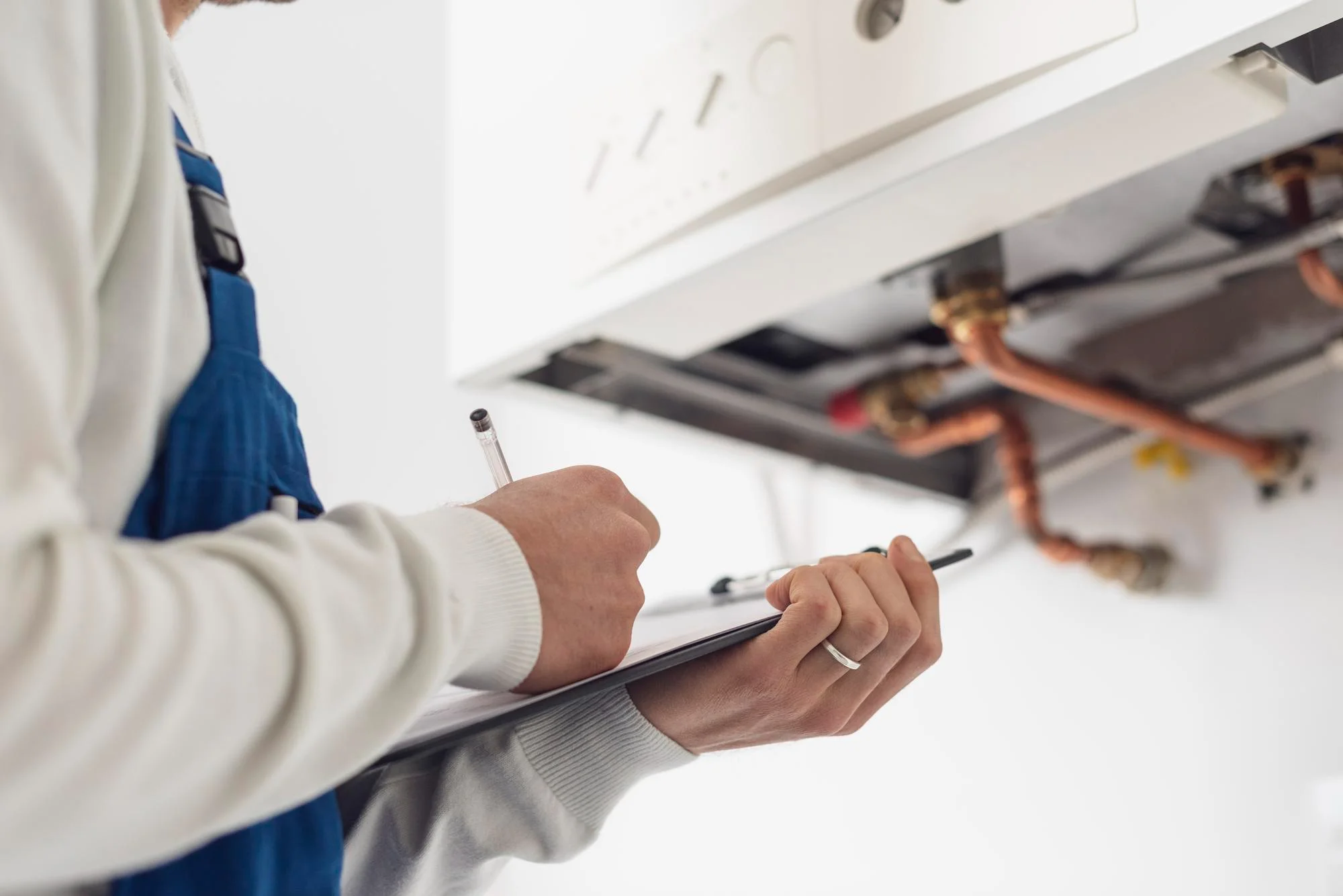
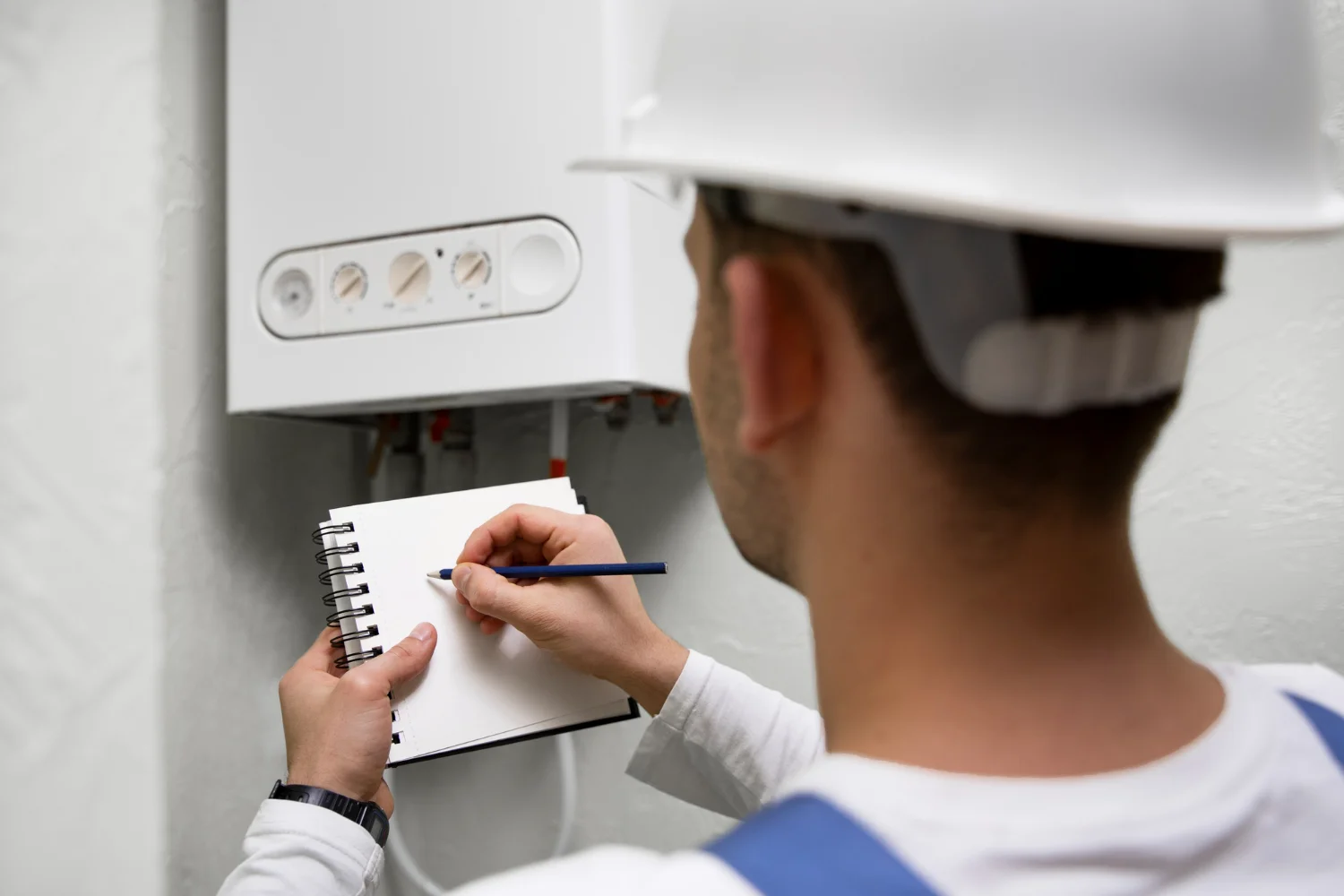
A professional installation should begin with a conversation about the property and your heating requirements. Where appropriate, this should be followed by an assessment of the existing heating system.
The installer may need to establish:
- What type of boiler you currently have
- The age and condition of the existing appliance
- Where the boiler is installed
- Your heating and hot water requirements
- The number of bathrooms
- Existing controls
- Gas and heating pipework
- Flue arrangements
- Condensate drainage
- Access for installation and servicing
This information helps the installer develop a realistic proposal rather than making assumptions from limited details.
If you are considering a replacement, contact Heatxpert to discuss your existing heating system and find out what should be considered before agreeing to an installation.
Should you have a property survey before accepting a quote?
For many installations, an assessment can be valuable because the physical conditions of the property can influence the work required.
Two homes with the same type of boiler may have very different installation requirements. One may allow a straightforward replacement in the same position, while another may need pipework alterations, a different flue arrangement or changes to the controls.
A survey can help identify these differences before the work starts.
It also gives the homeowner an opportunity to discuss practical preferences, such as keeping the boiler in its existing position or considering an alternative location.
How should you compare boiler quotations?
The first step is to establish whether the quotations cover broadly the same work.
A useful comparison should include:
| Area to compare | Questions to ask |
| Boiler | What make, model and output are proposed? |
| Controls | Which thermostat or controls are included? |
| Flue | Is the required flue work included? |
| Pipework | Are necessary alterations covered? |
| Removal | Is the old boiler being removed and disposed of? |
| System components | Are specified valves, filters or other items included? |
| Labour | Does the price cover the complete installation? |
| Testing | Is commissioning included? |
| Documentation | What paperwork is provided? |
| Warranty | What manufacturer and installation cover applies? |
This approach helps avoid comparing a comprehensive quotation against a lower figure that excludes important elements.
Why is the cheapest quote not always directly comparable?
A lower price can reflect a different boiler model, fewer included components, a simpler installation scope or exclusions that are not immediately obvious.
That does not automatically make the quotation unsuitable. It simply means the homeowner should understand what is being offered.
The important question is what the final price represents.
What should you ask about the boiler itself?
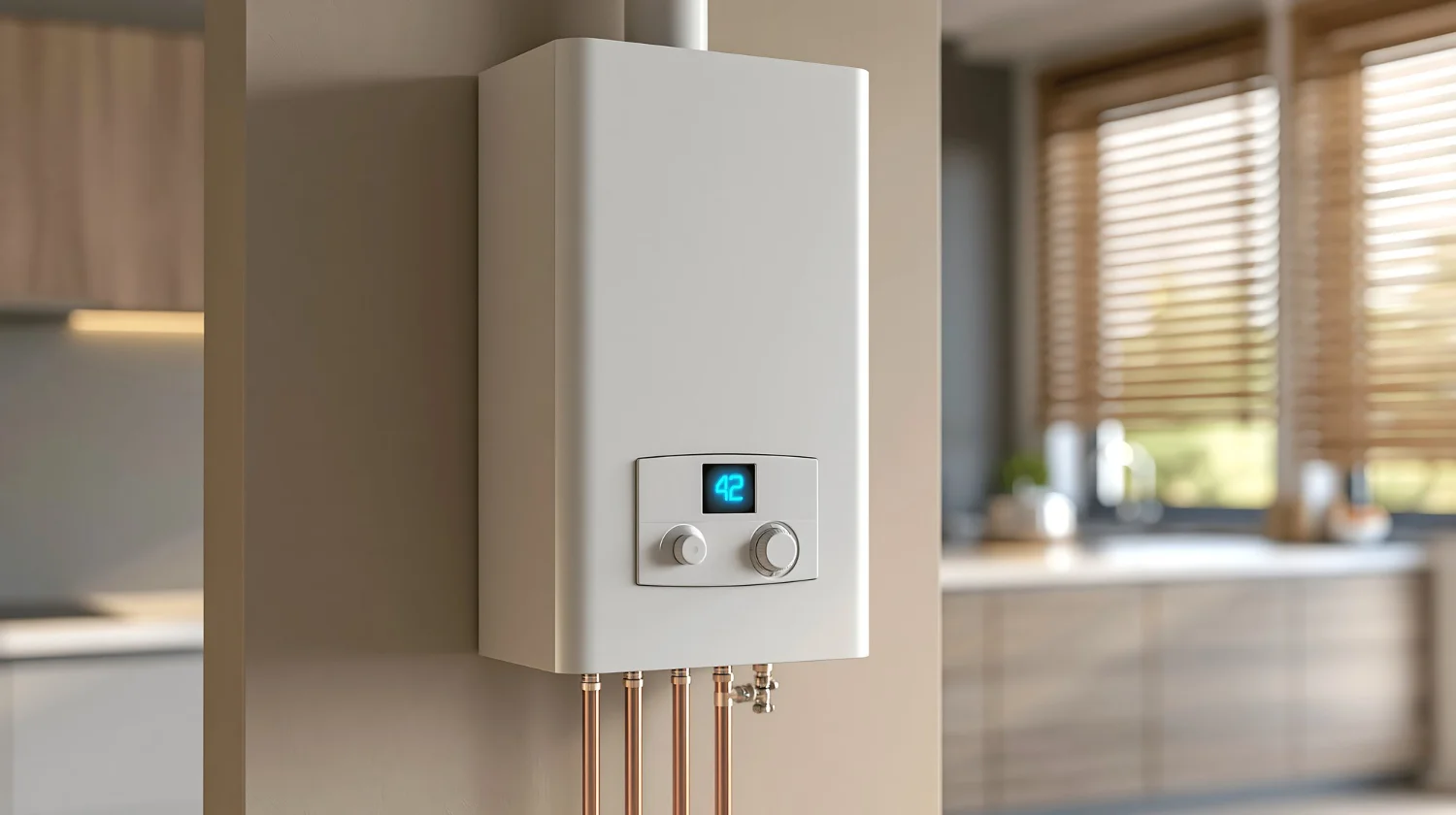
The boiler should be identified by its specific make and model rather than simply being described as a “new boiler”.
Ask the installer:
- What boiler is being recommended?
- What output does it provide?
- Why is it suitable for the property?
- Is it a combi, system or conventional boiler?
- What are the manufacturer’s warranty arrangements?
- What controls are compatible with it?
The right choice depends on the property’s heating and hot water requirements.
For example, a combi boiler may suit a home where hot water is supplied directly from the boiler, while another property may benefit from retaining a stored hot water arrangement.
The installer should explain the reasoning behind the recommendation.
What should you know about the installation company?
When comparing boiler installation companies, it is reasonable to establish who will actually carry out the work and what experience they have with the type of installation being proposed.
Consider whether the company:
- Uses appropriately qualified heating engineers
- Clearly explains the proposed work
- Provides a written quotation
- Identifies what is included and excluded
- Explains how additional work is handled
- Provides appropriate installation documentation
- Offers a clear point of contact
It can also be useful to check independently available information about the business rather than relying solely on promotional claims.
The aim is to establish whether the company provides a clear and professional process from assessment through to completion.
Does the installer need to explain the flue arrangement?
Yes. The flue is an important part of a gas boiler installation because it directs combustion products safely away from the appliance.
Ask where the flue will run and where it will terminate. If the boiler is being moved, the flue arrangement may be significantly different from the existing installation.
A detailed quotation should account for the expected flue requirements rather than leaving the homeowner to assume that everything is included.
Let’s get started, Which fuel powers your boiler?
Mains Gas
LPG
Oil
It just takes 60 Seconds
And then you can book a free consultation
What about gas and heating pipework?
The installer should assess whether the existing pipework is suitable for the proposed boiler.
Depending on the property, work may include:
- Altering gas pipework
- Adjusting heating connections
- Replacing unsuitable sections
- Modifying condensate drainage
- Changing connections around the boiler
Not every installation requires major pipework changes, but any proposed alterations should be explained.
This is another reason a property assessment can make a quotation more meaningful.
How should additional work be handled?
Even with a thorough survey, an installation can sometimes reveal an issue that was not visible beforehand.
For example, removing an old appliance may reveal a damaged connection or an unexpected condition affecting the proposed installation.
A sensible process is for the installer to explain:
- What has been discovered
- Why it matters
- What solution is being proposed
- Whether the work is essential
- What additional materials are required
- What additional cost is involved
Homeowners should have the opportunity to understand and agree to additional work rather than discovering unexplained charges afterwards.
If you have received a quotation and are unsure whether the scope is clear, speak to Heatxpert. The team can explain the practical elements that should be considered before installation.
Should the quotation include removal of the old boiler?
It should be clear whether removal and disposal are included.
An old boiler may need to be disconnected, removed from its position and taken away after the replacement has been installed. If other redundant equipment is involved, such as a cylinder or storage tank, the quotation should also explain whether its removal is included.
Do not assume that every quotation covers exactly the same removal work.
What should you ask about controls?
Controls are often overlooked when homeowners compare boiler prices, but they form an important part of the heating system.
Ask which thermostat or control system is included and whether it is compatible with the proposed boiler.
You may also want to establish:
- Whether the thermostat is wired or wireless
- Whether programming is included
- Whether advanced controls are available
- How the controls will be installed
- Whether setup and explanation are included
The installer should demonstrate the controls during the final handover.
What should happen after the boiler is fitted?
The installation should not be considered complete simply because the boiler turns on.
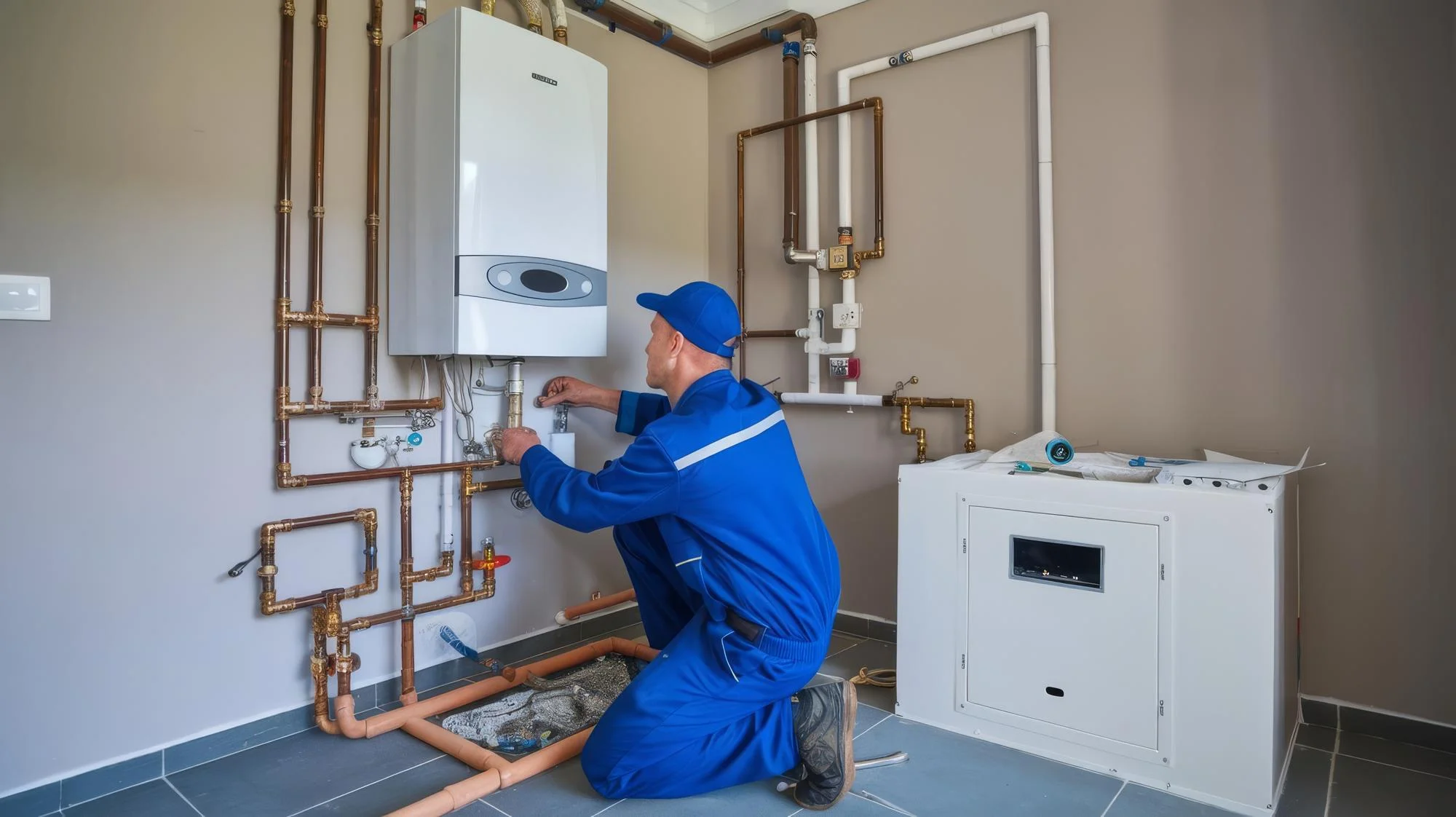
The appliance and heating system should be checked and commissioned in accordance with the manufacturer’s requirements and relevant installation procedures.
This can involve checking:
- Gas connections
- Boiler operation
- Flue installation
- Heating performance
- Hot water operation
- System pressure
- Condensate drainage
- Controls
The homeowner should then receive an explanation of how to operate the system.
What documentation should you receive?
The installer should explain what documentation will be provided following the installation.
Depending on the installation, this can include information about:
- The boiler model
- Commissioning
- Installation
- Manufacturer warranty
- Controls
- Servicing requirements
Keep these details somewhere accessible. They may be useful if the boiler requires servicing, repair or warranty support in the future.
How can you assess customer service before installation?
The communication you receive before agreeing to the work can provide useful information about how clearly the installation is being handled.
Consider whether your questions are answered directly and whether technical issues are explained in language you can understand.
A good consultation should give you enough information to make your own decision without pressure.
Be cautious about agreeing to work where the specification is unclear or where important questions about the installation are repeatedly avoided.
A typical Reading comparison
Imagine a homeowner receives three quotations for replacing an ageing boiler.
The first quotation includes only the boiler and basic installation. The second includes a different boiler, upgraded controls and some pipework work. The third includes a similar appliance to the second but excludes certain system alterations.
At first glance, the three prices appear quite different. Once the homeowner compares the actual scope, however, the differences become easier to understand.
This illustrates why comparing quotations line by line is more useful than simply choosing the smallest number.
Should you ask for a written scope of work?
Yes. A written scope helps establish what both sides have agreed.
It should ideally identify the boiler, controls, installation location, flue, pipework, removal, testing, commissioning and any other significant work.
Written details are particularly useful if additional work becomes necessary later because they provide a clear reference point for what was originally included.
What are the signs of a clear quotation?
A clear quotation should be specific enough for a homeowner to understand the proposed project without needing to guess what is included.
Look for:
- Specific boiler details
- Clear installation scope
- Identified controls
- Flue arrangements
- Removal details
- Any exclusions
- Additional work terms
- Testing and commissioning
- Warranty information
A professional quotation does not need to be complicated. It simply needs to be clear.
If you are comparing installation options in Reading, Heatxpert can help you understand the requirements of your property and discuss the proposed boiler and installation process. Contact the team for tailored advice.
Comparing installers is not simply a matter of finding the lowest quotation or searching for the best boiler installation companies. The more useful comparison is between the actual installation processes, specifications and scope of work being offered.
A suitable installer should assess the property, explain the recommended boiler, provide a clear quotation and communicate what happens if additional work is identified. Testing, commissioning and handover should also form part of the completed installation.
For homeowners comparing boiler installation companies, taking time to understand these details can make the decision process clearer and help ensure that quotations are genuinely comparable.
Heatxpert can discuss the practical requirements of your property and explain the installation process clearly, helping you understand what is involved before work begins.
Related articles
Let’s get started, Which fuel powers your boiler?
Mains Gas
LPG
Oil
At a glance
Homeowners often compare several quotations, but the figures can be difficult to assess if each installer has proposed a different specification. One quotation might include additional controls or system work that another has left out.
If you are researching the best boiler installation companies, looking at the process behind each quotation can provide more useful information than comparing prices alone.
What should happen before you agree to a boiler installation?
A professional installation should begin with a conversation about the property and your heating requirements. Where appropriate, this should be followed by an assessment of the existing heating system.
The installer may need to establish:
- What type of boiler you currently have
- The age and condition of the existing appliance
- Where the boiler is installed
- Your heating and hot water requirements
- The number of bathrooms
- Existing controls
- Gas and heating pipework
- Flue arrangements
- Condensate drainage
- Access for installation and servicing
This information helps the installer develop a realistic proposal rather than making assumptions from limited details.
If you are considering a replacement, contact Heatxpert to discuss your existing heating system and find out what should be considered before agreeing to an installation.
Should you have a property survey before accepting a quote?
For many installations, an assessment can be valuable because the physical conditions of the property can influence the work required.
Two homes with the same type of boiler may have very different installation requirements. One may allow a straightforward replacement in the same position, while another may need pipework alterations, a different flue arrangement or changes to the controls.
A survey can help identify these differences before the work starts.
It also gives the homeowner an opportunity to discuss practical preferences, such as keeping the boiler in its existing position or considering an alternative location.
How should you compare boiler quotations?
The first step is to establish whether the quotations cover broadly the same work.
A useful comparison should include:
| Area to compare | Questions to ask |
| Boiler | What make, model and output are proposed? |
| Controls | Which thermostat or controls are included? |
| Flue | Is the required flue work included? |
| Pipework | Are necessary alterations covered? |
| Removal | Is the old boiler being removed and disposed of? |
| System components | Are specified valves, filters or other items included? |
| Labour | Does the price cover the complete installation? |
| Testing | Is commissioning included? |
| Documentation | What paperwork is provided? |
| Warranty | What manufacturer and installation cover applies? |
This approach helps avoid comparing a comprehensive quotation against a lower figure that excludes important elements.
Why is the cheapest quote not always directly comparable?
A lower price can reflect a different boiler model, fewer included components, a simpler installation scope or exclusions that are not immediately obvious.
That does not automatically make the quotation unsuitable. It simply means the homeowner should understand what is being offered.
The important question is what the final price represents.
What should you ask about the boiler itself?
The boiler should be identified by its specific make and model rather than simply being described as a “new boiler”.
Ask the installer:
- What boiler is being recommended?
- What output does it provide?
- Why is it suitable for the property?
- Is it a combi, system or conventional boiler?
- What are the manufacturer’s warranty arrangements?
- What controls are compatible with it?
The right choice depends on the property’s heating and hot water requirements.
For example, a combi boiler may suit a home where hot water is supplied directly from the boiler, while another property may benefit from retaining a stored hot water arrangement.
The installer should explain the reasoning behind the recommendation.
What should you know about the installation company?
When comparing boiler installation companies, it is reasonable to establish who will actually carry out the work and what experience they have with the type of installation being proposed.
Consider whether the company:
- Uses appropriately qualified heating engineers
- Clearly explains the proposed work
- Provides a written quotation
- Identifies what is included and excluded
- Explains how additional work is handled
- Provides appropriate installation documentation
- Offers a clear point of contact
It can also be useful to check independently available information about the business rather than relying solely on promotional claims.
The aim is to establish whether the company provides a clear and professional process from assessment through to completion.
Does the installer need to explain the flue arrangement?
Yes. The flue is an important part of a gas boiler installation because it directs combustion products safely away from the appliance.
Ask where the flue will run and where it will terminate. If the boiler is being moved, the flue arrangement may be significantly different from the existing installation.
A detailed quotation should account for the expected flue requirements rather than leaving the homeowner to assume that everything is included.
Let’s get started, Which fuel powers your boiler?
Mains Gas
LPG
Oil
It just takes 60 Seconds
And then you can book a free consultation
What about gas and heating pipework?
The installer should assess whether the existing pipework is suitable for the proposed boiler.
Depending on the property, work may include:
- Altering gas pipework
- Adjusting heating connections
- Replacing unsuitable sections
- Modifying condensate drainage
- Changing connections around the boiler
Not every installation requires major pipework changes, but any proposed alterations should be explained.
This is another reason a property assessment can make a quotation more meaningful.
How should additional work be handled?
Even with a thorough survey, an installation can sometimes reveal an issue that was not visible beforehand.
For example, removing an old appliance may reveal a damaged connection or an unexpected condition affecting the proposed installation.
A sensible process is for the installer to explain:
- What has been discovered
- Why it matters
- What solution is being proposed
- Whether the work is essential
- What additional materials are required
- What additional cost is involved
Homeowners should have the opportunity to understand and agree to additional work rather than discovering unexplained charges afterwards.
If you have received a quotation and are unsure whether the scope is clear, speak to Heatxpert. The team can explain the practical elements that should be considered before installation.
Should the quotation include removal of the old boiler?
It should be clear whether removal and disposal are included.
An old boiler may need to be disconnected, removed from its position and taken away after the replacement has been installed. If other redundant equipment is involved, such as a cylinder or storage tank, the quotation should also explain whether its removal is included.
Do not assume that every quotation covers exactly the same removal work.
What should you ask about controls?
Controls are often overlooked when homeowners compare boiler prices, but they form an important part of the heating system.
Ask which thermostat or control system is included and whether it is compatible with the proposed boiler.
You may also want to establish:
- Whether the thermostat is wired or wireless
- Whether programming is included
- Whether advanced controls are available
- How the controls will be installed
- Whether setup and explanation are included
The installer should demonstrate the controls during the final handover.
What should happen after the boiler is fitted?
The installation should not be considered complete simply because the boiler turns on.
The appliance and heating system should be checked and commissioned in accordance with the manufacturer’s requirements and relevant installation procedures.
This can involve checking:
- Gas connections
- Boiler operation
- Flue installation
- Heating performance
- Hot water operation
- System pressure
- Condensate drainage
- Controls
The homeowner should then receive an explanation of how to operate the system.
What documentation should you receive?
The installer should explain what documentation will be provided following the installation.
Depending on the installation, this can include information about:
- The boiler model
- Commissioning
- Installation
- Manufacturer warranty
- Controls
- Servicing requirements
Keep these details somewhere accessible. They may be useful if the boiler requires servicing, repair or warranty support in the future.
How can you assess customer service before installation?
The communication you receive before agreeing to the work can provide useful information about how clearly the installation is being handled.
Consider whether your questions are answered directly and whether technical issues are explained in language you can understand.
A good consultation should give you enough information to make your own decision without pressure.
Be cautious about agreeing to work where the specification is unclear or where important questions about the installation are repeatedly avoided.
A typical Reading comparison
Imagine a homeowner receives three quotations for replacing an ageing boiler.
The first quotation includes only the boiler and basic installation. The second includes a different boiler, upgraded controls and some pipework work. The third includes a similar appliance to the second but excludes certain system alterations.
At first glance, the three prices appear quite different. Once the homeowner compares the actual scope, however, the differences become easier to understand.
This illustrates why comparing quotations line by line is more useful than simply choosing the smallest number.
Should you ask for a written scope of work?
Yes. A written scope helps establish what both sides have agreed.
It should ideally identify the boiler, controls, installation location, flue, pipework, removal, testing, commissioning and any other significant work.
Written details are particularly useful if additional work becomes necessary later because they provide a clear reference point for what was originally included.
What are the signs of a clear quotation?
A clear quotation should be specific enough for a homeowner to understand the proposed project without needing to guess what is included.
Look for:
- Specific boiler details
- Clear installation scope
- Identified controls
- Flue arrangements
- Removal details
- Any exclusions
- Additional work terms
- Testing and commissioning
- Warranty information
A professional quotation does not need to be complicated. It simply needs to be clear.
If you are comparing installation options in Reading, Heatxpert can help you understand the requirements of your property and discuss the proposed boiler and installation process. Contact the team for tailored advice.
Comparing installers is not simply a matter of finding the lowest quotation or searching for the best boiler installation companies. The more useful comparison is between the actual installation processes, specifications and scope of work being offered.
A suitable installer should assess the property, explain the recommended boiler, provide a clear quotation and communicate what happens if additional work is identified. Testing, commissioning and handover should also form part of the completed installation.
For homeowners comparing boiler installation companies, taking time to understand these details can make the decision process clearer and help ensure that quotations are genuinely comparable.
Heatxpert can discuss the practical requirements of your property and explain the installation process clearly, helping you understand what is involved before work begins.
