
New Combi Boiler Reading: What Happens When a Combi Is Installed in Your Home?
A combi boiler can be an appealing option when replacing an older heating system, particularly where homeowners want heating and hot water from one appliance without a separate hot water cylinder. However, installing one is not simply a case of taking out the old boiler and connecting a new one.

Why you can trust our content
We understand that the boiler industry can be confusing, with plenty of outdated or misleading information. That’s why we rely only on trusted, proven sources to guide our advice and installations:

At a glance
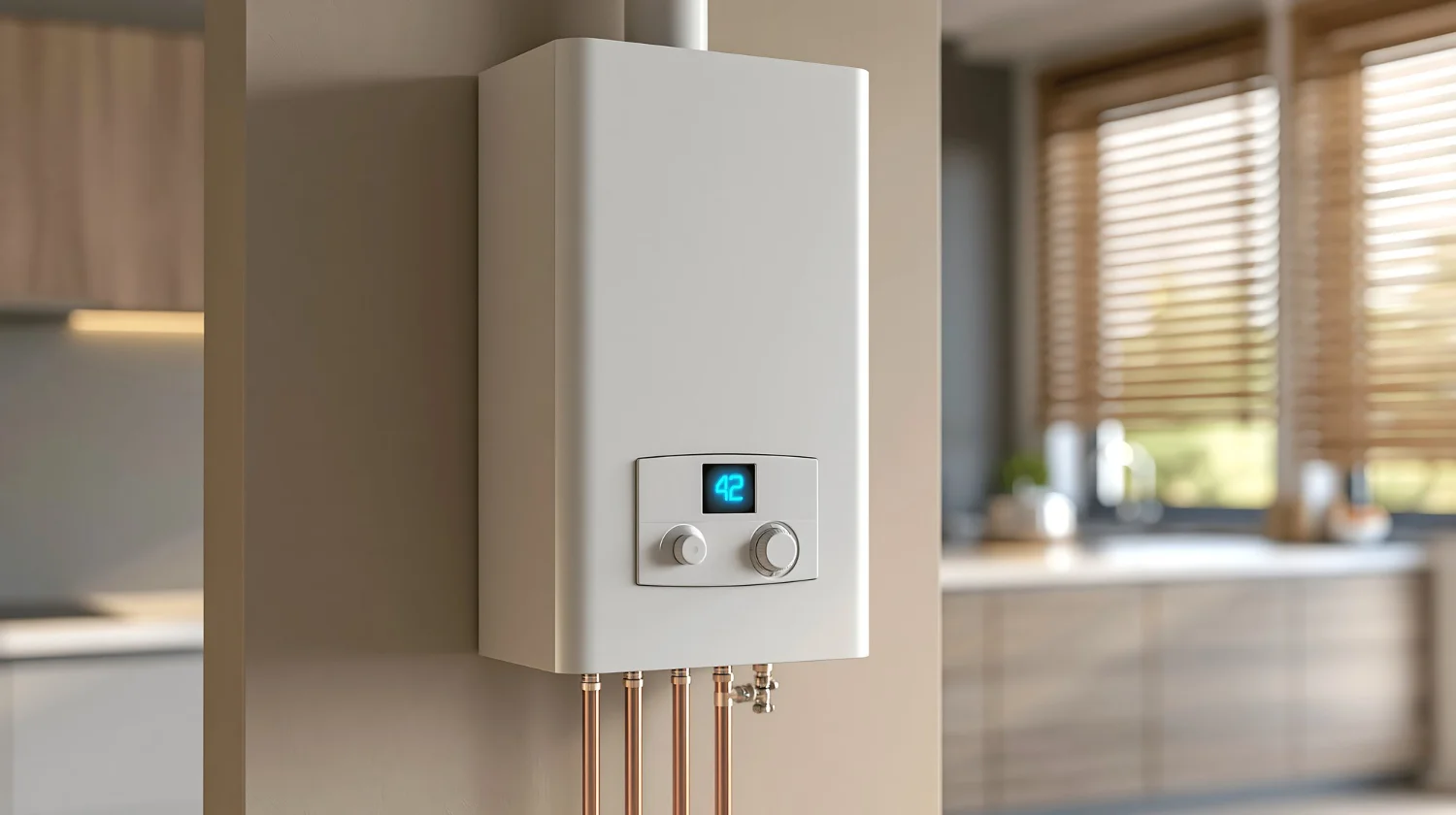
The installation needs to account for the property’s heating and hot water requirements, the position of the appliance, existing pipework, gas supply, flue, condensate drainage and controls. The condition of the wider heating system can also affect how the work is planned.
If you are considering a new combi boiler reading project, understanding what happens at each stage can help you prepare for the installation and know what to expect from the installer.
What happens before a combi boiler is installed?
The process normally begins with an assessment of the existing heating system and the household’s requirements.
The installer may need to establish:
- What type of boiler is currently installed
- How old the existing system is
- Where the boiler is located
- How many bathrooms the property has
- How hot water is currently provided
- Whether the existing system includes a cylinder or storage tank
- The condition of the pipework
- Where the new boiler could be positioned
- Whether the existing flue arrangement is suitable
- What controls are currently being used
This information helps determine whether a combi boiler is appropriate and what changes would be needed to install one.
A suitable system should be selected based on how the property is used, rather than simply choosing a boiler because it is compact or popular.
If you are considering changing your heating system, contact Heatxpert for advice based on your property’s layout, heating requirements and hot water demand.
Is a combi boiler suitable for every home?
No. A combi boiler can work very well in many properties, but it is not automatically the right choice for every household.
Combi boilers heat water directly when a hot tap or shower is used. This means there is no need for a separate hot water cylinder storing heated water.
That arrangement can save space and may suit households with moderate hot water requirements. However, the available mains water flow, number of bathrooms and expected simultaneous hot water demand should all be considered.
For example, a household regularly running several showers or hot water outlets at the same time may have different requirements from a smaller household using one bathroom.
An installer should discuss these practical considerations before recommending a system.
What happens to the old boiler and hot water cylinder?
If an existing property has a conventional or system boiler with a hot water cylinder, converting to a combi can involve more than changing the boiler itself.
The installer may need to deal with components associated with the old system, including:
- The existing boiler
- Hot water cylinder
- Cold water storage tank where present
- Associated pipework
- Old controls
- Redundant connections
Some components may be removed, while other parts of the existing heating system can remain in use.
The precise scope depends on the existing installation and the proposed replacement.
How is the new combi boiler positioned?
The location needs to be suitable for the boiler, its connections, flue and ongoing servicing.
Common considerations include:
- Available wall space
- Access for installation
- Access for future servicing
- Flue route
- Gas connection
- Heating pipework
- Mains water connection
- Condensate drainage
- Electrical supply
A boiler may be installed in a kitchen, utility area, airing cupboard or another suitable location, depending on the property and installation requirements.
If the homeowner wants to move the appliance, this should be discussed before the quotation is agreed because relocation can introduce additional work.
What pipework is involved in a combi installation?
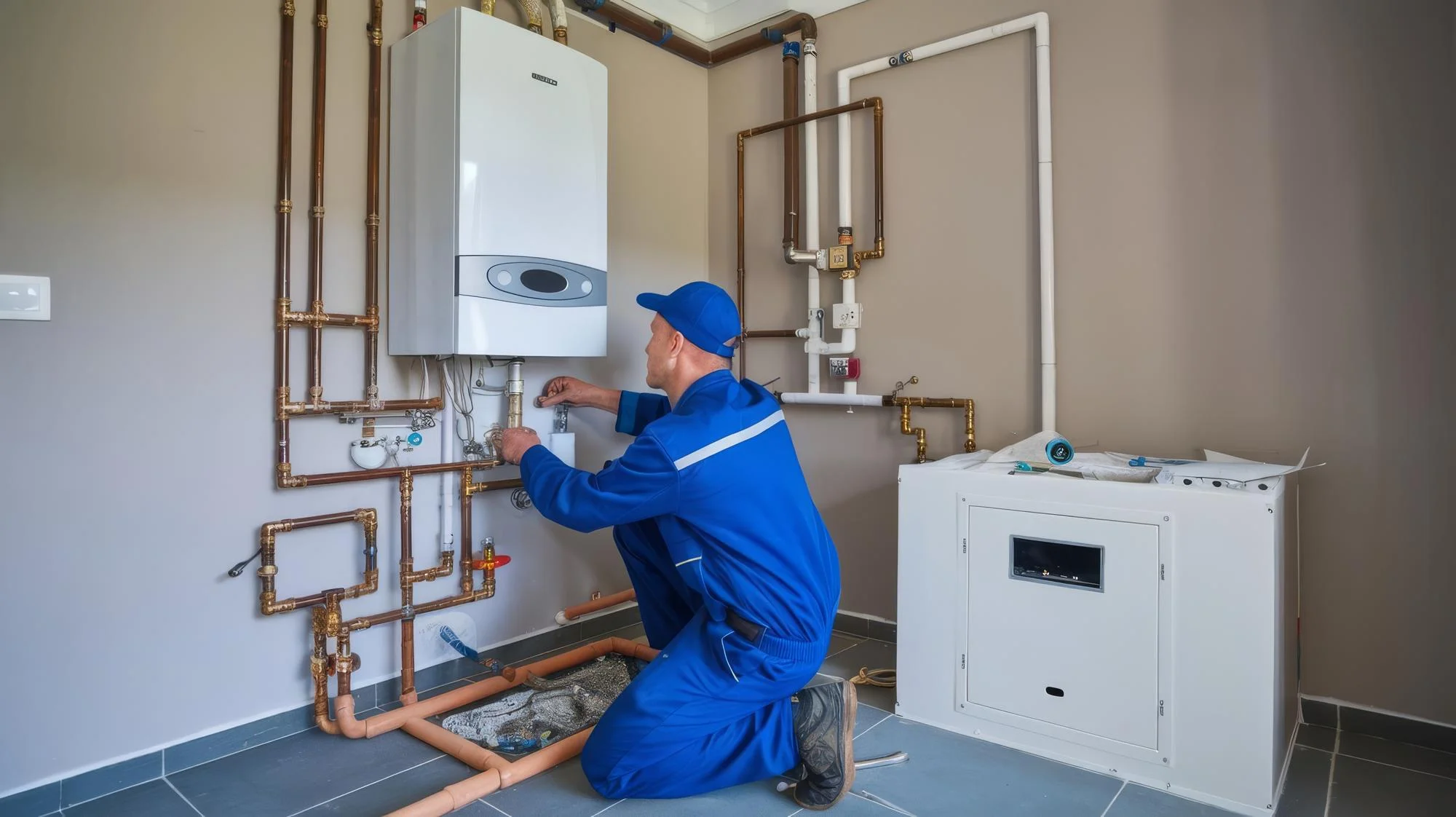
A combi boiler requires connections for the heating system, mains cold water, domestic hot water, gas, condensate and electrical supply.
The installer will assess the existing connections and determine what needs to be retained, adapted or replaced.
The gas supply is particularly important because the new appliance needs an appropriate supply for safe and correct operation. Existing pipework may need alteration depending on the appliance and the property.
Heating pipework may also need to be modified where the new boiler connects differently from the old one.
This is why combi boiler installation reading should be viewed as a complete system project rather than a single appliance swap.
Let’s get started, Which fuel powers your boiler?
Mains Gas
LPG
Oil
It just takes 60 Seconds
And then you can book a free consultation
What happens to the flue?
The flue carries combustion products from the boiler to the outside of the property. Its design and position are therefore an important part of the installation.
When a boiler is replaced in the same position, the flue arrangement may be relatively straightforward. However, the installer still needs to ensure that the new appliance has the correct flue components and that the installation meets the relevant requirements.
Moving the boiler can make this more complicated because the flue route may also need to change.
The homeowner should be told where the flue will terminate and whether any associated work is included in the quotation.
How is the condensate pipe installed?
Modern condensing boilers produce condensate as part of their normal operation. This needs to be safely discharged through an appropriate drainage arrangement.
The installer will assess the most suitable route from the boiler to the drainage point. Where the boiler is being installed in a different location, the condensate route may need to be planned from scratch.
The arrangement should be installed correctly rather than treated as an afterthought. A poorly planned condensate route can cause problems during cold weather and may affect boiler operation.
What happens during the actual installation?
Once the preparation is complete, the existing boiler and any agreed redundant components are removed.
The installer then prepares the area and starts fitting the new appliance and associated components. Depending on the project, this may involve:
- Isolating the existing heating and gas supply
- Removing the old boiler
- Preparing the installation position
- Installing the new boiler
- Connecting gas and water services
- Connecting heating pipework
- Installing the flue
- Connecting the condensate pipe
- Installing or updating controls
- Completing electrical connections
- Filling and checking the heating system
The sequence can vary according to the property and boiler model.
How long does combi boiler installation take?
There is no fixed installation time because the amount of work varies considerably.
A straightforward replacement where the new appliance remains in the same location may be completed relatively quickly. A conversion from another boiler type or a relocation can take longer because additional components need to be removed, altered or installed.
Factors that can affect the duration include:
|
Installation factor |
Potential effect |
|
Same boiler position |
May reduce alteration work |
|
Boiler relocation |
More pipework and flue planning |
|
System conversion |
Existing cylinder or tanks may need removal |
|
Pipework condition |
May require alterations |
|
New controls |
Adds installation and setup work |
|
Access |
Can affect preparation and removal |
|
Flue route |
May require additional components |
|
Unexpected issues |
Can extend the work |
The installer should give a realistic indication of the expected timescale before work begins.
What happens when the new combi boiler is switched on?
The installation is not finished simply because the appliance starts running.
The system needs to be checked and commissioned appropriately. This can involve checking the gas installation, appliance operation, heating circuit, hot water performance, flue, condensate arrangement, controls and system pressure.
The installer should follow the manufacturer’s commissioning requirements and complete the appropriate checks for the installation.
Hot water operation should also be demonstrated so the homeowner understands how the combi responds when a tap or shower is used.
If you are unsure how a proposed combi installation would work in your property, speak to Heatxpert before agreeing to the work. A clear explanation at the planning stage can prevent confusion later.
What should be explained during the handover?
The final handover gives the homeowner an opportunity to understand the new heating system.
The installer should explain the basic operation of:
- The boiler controls
- Room thermostat
- Heating schedule
- Hot water operation
- Pressure gauge or display
- Any additional controls supplied
It is also sensible to ask where the boiler instructions and installation information should be kept.
If the new system has different controls from the old one, take a few minutes to understand them. Correct operation can help the household make better use of the heating system.
(Link to related blog: How to Use Your New Boiler Efficiently)
What if the old system has a cylinder?
A property converting from a system or conventional boiler to a combi may have an existing hot water cylinder.
If the cylinder is no longer required, the installer will discuss its removal and what happens to associated pipework. The physical removal can involve additional labour, particularly if the cylinder is in a difficult-to-access cupboard.
The available space may then be used differently, but any redundant pipework or equipment should be dealt with appropriately as part of the agreed installation.
A typical Reading home conversion
Imagine a three-bedroom semi-detached property with an older system boiler and hot water cylinder. The homeowner wants to free up cupboard space and simplify the heating controls.
During the assessment, the installer checks the mains water supply, existing pipework, boiler position and potential flue route. The proposed combi boiler is positioned where the existing boiler is located, while the redundant cylinder and associated components are included in the agreed removal work.
Once installed, the new boiler is connected to the heating system, mains water, gas supply and condensate drainage. The controls are configured, the system is tested and the homeowner receives an explanation of how to operate the new arrangement.
The exact process will vary from one property to another, but this illustrates why preparation matters when changing from one type of heating system to another.
What should you check before agreeing to the work?
Before accepting a quotation, make sure you understand exactly what the proposed installation includes.
Ask about:
- Boiler make and model
- Boiler output
- Installation location
- Flue arrangements
- Controls
- Pipework alterations
- Cylinder or tank removal if applicable
- Condensate drainage
- Removal and disposal
- Testing and commissioning
- Warranty information
- Expected installation timescale
It is also worth checking whether any work is specifically excluded from the quotation.
A detailed scope gives both homeowner and installer a shared understanding of what will happen.
Can the existing radiators stay?
In many installations, existing radiators can remain if they are suitable for the heating system and in reasonable condition.
However, an installer may identify radiators that are damaged, poorly sized or affected by corrosion. These issues should be discussed before replacement rather than assuming every radiator needs to be changed.
The boiler replacement should therefore be considered alongside the condition and performance of the wider heating system.
How can homeowners prepare for installation day?
A little preparation can make the installation easier.
Clear access to the boiler and relevant heating components where possible. If the installer needs access to a cupboard, loft area or external wall, make sure these areas can be reached.
It is also useful to have a record of any recurring heating or hot water issues. Mentioning these before work starts can help the installer understand how the existing system has been performing.
If your current heating system is becoming unreliable or you are considering switching to a combi boiler, Heatxpert can assess the property and explain the practical options. Contact the team to discuss a tailored installation.
Installing a combi boiler involves much more than replacing one appliance with another. The installer needs to consider the property’s hot water demand, boiler position, gas and water connections, pipework, flue, condensate drainage and controls.
For homeowners researching a new combi boiler reading, understanding these stages makes it easier to prepare for the work and assess whether a proposed installation has been properly planned.
A well-organised combi boiler installation reading project should begin with an assessment, continue with clear planning and fitting, and finish with appropriate testing, commissioning and homeowner handover.
Heatxpert can help homeowners understand what their property requires and provide practical guidance before installation work begins.
Related articles
Let’s get started, Which fuel powers your boiler?
Mains Gas
LPG
Oil
At a glance
The installation needs to account for the property’s heating and hot water requirements, the position of the appliance, existing pipework, gas supply, flue, condensate drainage and controls. The condition of the wider heating system can also affect how the work is planned.
If you are considering a new combi boiler reading project, understanding what happens at each stage can help you prepare for the installation and know what to expect from the installer.
What happens before a combi boiler is installed?
The process normally begins with an assessment of the existing heating system and the household’s requirements.
The installer may need to establish:
- What type of boiler is currently installed
- How old the existing system is
- Where the boiler is located
- How many bathrooms the property has
- How hot water is currently provided
- Whether the existing system includes a cylinder or storage tank
- The condition of the pipework
- Where the new boiler could be positioned
- Whether the existing flue arrangement is suitable
- What controls are currently being used
This information helps determine whether a combi boiler is appropriate and what changes would be needed to install one.
A suitable system should be selected based on how the property is used, rather than simply choosing a boiler because it is compact or popular.
If you are considering changing your heating system, contact Heatxpert for advice based on your property’s layout, heating requirements and hot water demand.
Is a combi boiler suitable for every home?
No. A combi boiler can work very well in many properties, but it is not automatically the right choice for every household.
Combi boilers heat water directly when a hot tap or shower is used. This means there is no need for a separate hot water cylinder storing heated water.
That arrangement can save space and may suit households with moderate hot water requirements. However, the available mains water flow, number of bathrooms and expected simultaneous hot water demand should all be considered.
For example, a household regularly running several showers or hot water outlets at the same time may have different requirements from a smaller household using one bathroom.
An installer should discuss these practical considerations before recommending a system.
What happens to the old boiler and hot water cylinder?
If an existing property has a conventional or system boiler with a hot water cylinder, converting to a combi can involve more than changing the boiler itself.
The installer may need to deal with components associated with the old system, including:
- The existing boiler
- Hot water cylinder
- Cold water storage tank where present
- Associated pipework
- Old controls
- Redundant connections
Some components may be removed, while other parts of the existing heating system can remain in use.
The precise scope depends on the existing installation and the proposed replacement.
How is the new combi boiler positioned?
The location needs to be suitable for the boiler, its connections, flue and ongoing servicing.
Common considerations include:
- Available wall space
- Access for installation
- Access for future servicing
- Flue route
- Gas connection
- Heating pipework
- Mains water connection
- Condensate drainage
- Electrical supply
A boiler may be installed in a kitchen, utility area, airing cupboard or another suitable location, depending on the property and installation requirements.
If the homeowner wants to move the appliance, this should be discussed before the quotation is agreed because relocation can introduce additional work.
What pipework is involved in a combi installation?
A combi boiler requires connections for the heating system, mains cold water, domestic hot water, gas, condensate and electrical supply.
The installer will assess the existing connections and determine what needs to be retained, adapted or replaced.
The gas supply is particularly important because the new appliance needs an appropriate supply for safe and correct operation. Existing pipework may need alteration depending on the appliance and the property.
Heating pipework may also need to be modified where the new boiler connects differently from the old one.
This is why combi boiler installation reading should be viewed as a complete system project rather than a single appliance swap.
Let’s get started, Which fuel powers your boiler?
Mains Gas
LPG
Oil
It just takes 60 Seconds
And then you can book a free consultation
What happens to the flue?
The flue carries combustion products from the boiler to the outside of the property. Its design and position are therefore an important part of the installation.
When a boiler is replaced in the same position, the flue arrangement may be relatively straightforward. However, the installer still needs to ensure that the new appliance has the correct flue components and that the installation meets the relevant requirements.
Moving the boiler can make this more complicated because the flue route may also need to change.
The homeowner should be told where the flue will terminate and whether any associated work is included in the quotation.
How is the condensate pipe installed?
Modern condensing boilers produce condensate as part of their normal operation. This needs to be safely discharged through an appropriate drainage arrangement.
The installer will assess the most suitable route from the boiler to the drainage point. Where the boiler is being installed in a different location, the condensate route may need to be planned from scratch.
The arrangement should be installed correctly rather than treated as an afterthought. A poorly planned condensate route can cause problems during cold weather and may affect boiler operation.
What happens during the actual installation?
Once the preparation is complete, the existing boiler and any agreed redundant components are removed.
The installer then prepares the area and starts fitting the new appliance and associated components. Depending on the project, this may involve:
- Isolating the existing heating and gas supply
- Removing the old boiler
- Preparing the installation position
- Installing the new boiler
- Connecting gas and water services
- Connecting heating pipework
- Installing the flue
- Connecting the condensate pipe
- Installing or updating controls
- Completing electrical connections
- Filling and checking the heating system
The sequence can vary according to the property and boiler model.
How long does combi boiler installation take?
There is no fixed installation time because the amount of work varies considerably.
A straightforward replacement where the new appliance remains in the same location may be completed relatively quickly. A conversion from another boiler type or a relocation can take longer because additional components need to be removed, altered or installed.
Factors that can affect the duration include:
|
Installation factor |
Potential effect |
|
Same boiler position |
May reduce alteration work |
|
Boiler relocation |
More pipework and flue planning |
|
System conversion |
Existing cylinder or tanks may need removal |
|
Pipework condition |
May require alterations |
|
New controls |
Adds installation and setup work |
|
Access |
Can affect preparation and removal |
|
Flue route |
May require additional components |
|
Unexpected issues |
Can extend the work |
The installer should give a realistic indication of the expected timescale before work begins.
What happens when the new combi boiler is switched on?
The installation is not finished simply because the appliance starts running.
The system needs to be checked and commissioned appropriately. This can involve checking the gas installation, appliance operation, heating circuit, hot water performance, flue, condensate arrangement, controls and system pressure.
The installer should follow the manufacturer’s commissioning requirements and complete the appropriate checks for the installation.
Hot water operation should also be demonstrated so the homeowner understands how the combi responds when a tap or shower is used.
If you are unsure how a proposed combi installation would work in your property, speak to Heatxpert before agreeing to the work. A clear explanation at the planning stage can prevent confusion later.
What should be explained during the handover?
The final handover gives the homeowner an opportunity to understand the new heating system.
The installer should explain the basic operation of:
- The boiler controls
- Room thermostat
- Heating schedule
- Hot water operation
- Pressure gauge or display
- Any additional controls supplied
It is also sensible to ask where the boiler instructions and installation information should be kept.
If the new system has different controls from the old one, take a few minutes to understand them. Correct operation can help the household make better use of the heating system.
(Link to related blog: How to Use Your New Boiler Efficiently)
What if the old system has a cylinder?
A property converting from a system or conventional boiler to a combi may have an existing hot water cylinder.
If the cylinder is no longer required, the installer will discuss its removal and what happens to associated pipework. The physical removal can involve additional labour, particularly if the cylinder is in a difficult-to-access cupboard.
The available space may then be used differently, but any redundant pipework or equipment should be dealt with appropriately as part of the agreed installation.
A typical Reading home conversion
Imagine a three-bedroom semi-detached property with an older system boiler and hot water cylinder. The homeowner wants to free up cupboard space and simplify the heating controls.
During the assessment, the installer checks the mains water supply, existing pipework, boiler position and potential flue route. The proposed combi boiler is positioned where the existing boiler is located, while the redundant cylinder and associated components are included in the agreed removal work.
Once installed, the new boiler is connected to the heating system, mains water, gas supply and condensate drainage. The controls are configured, the system is tested and the homeowner receives an explanation of how to operate the new arrangement.
The exact process will vary from one property to another, but this illustrates why preparation matters when changing from one type of heating system to another.
What should you check before agreeing to the work?
Before accepting a quotation, make sure you understand exactly what the proposed installation includes.
Ask about:
- Boiler make and model
- Boiler output
- Installation location
- Flue arrangements
- Controls
- Pipework alterations
- Cylinder or tank removal if applicable
- Condensate drainage
- Removal and disposal
- Testing and commissioning
- Warranty information
- Expected installation timescale
It is also worth checking whether any work is specifically excluded from the quotation.
A detailed scope gives both homeowner and installer a shared understanding of what will happen.
Can the existing radiators stay?
In many installations, existing radiators can remain if they are suitable for the heating system and in reasonable condition.
However, an installer may identify radiators that are damaged, poorly sized or affected by corrosion. These issues should be discussed before replacement rather than assuming every radiator needs to be changed.
The boiler replacement should therefore be considered alongside the condition and performance of the wider heating system.
How can homeowners prepare for installation day?
A little preparation can make the installation easier.
Clear access to the boiler and relevant heating components where possible. If the installer needs access to a cupboard, loft area or external wall, make sure these areas can be reached.
It is also useful to have a record of any recurring heating or hot water issues. Mentioning these before work starts can help the installer understand how the existing system has been performing.
If your current heating system is becoming unreliable or you are considering switching to a combi boiler, Heatxpert can assess the property and explain the practical options. Contact the team to discuss a tailored installation.
Installing a combi boiler involves much more than replacing one appliance with another. The installer needs to consider the property’s hot water demand, boiler position, gas and water connections, pipework, flue, condensate drainage and controls.
For homeowners researching a new combi boiler reading, understanding these stages makes it easier to prepare for the work and assess whether a proposed installation has been properly planned.
A well-organised combi boiler installation reading project should begin with an assessment, continue with clear planning and fitting, and finish with appropriate testing, commissioning and homeowner handover.
Heatxpert can help homeowners understand what their property requires and provide practical guidance before installation work begins.
