
Boiler Installation Reading: What Happens From Your First Enquiry to the Finished Job?
Replacing a boiler can feel like a major project, particularly if the existing system has been unreliable or has stopped working altogether. Knowing what happens at each stage can make the process much easier to understand and helps you know what questions to ask before work begins.

Why you can trust our content
We understand that the boiler industry can be confusing, with plenty of outdated or misleading information. That’s why we rely only on trusted, proven sources to guide our advice and installations:

At a glance
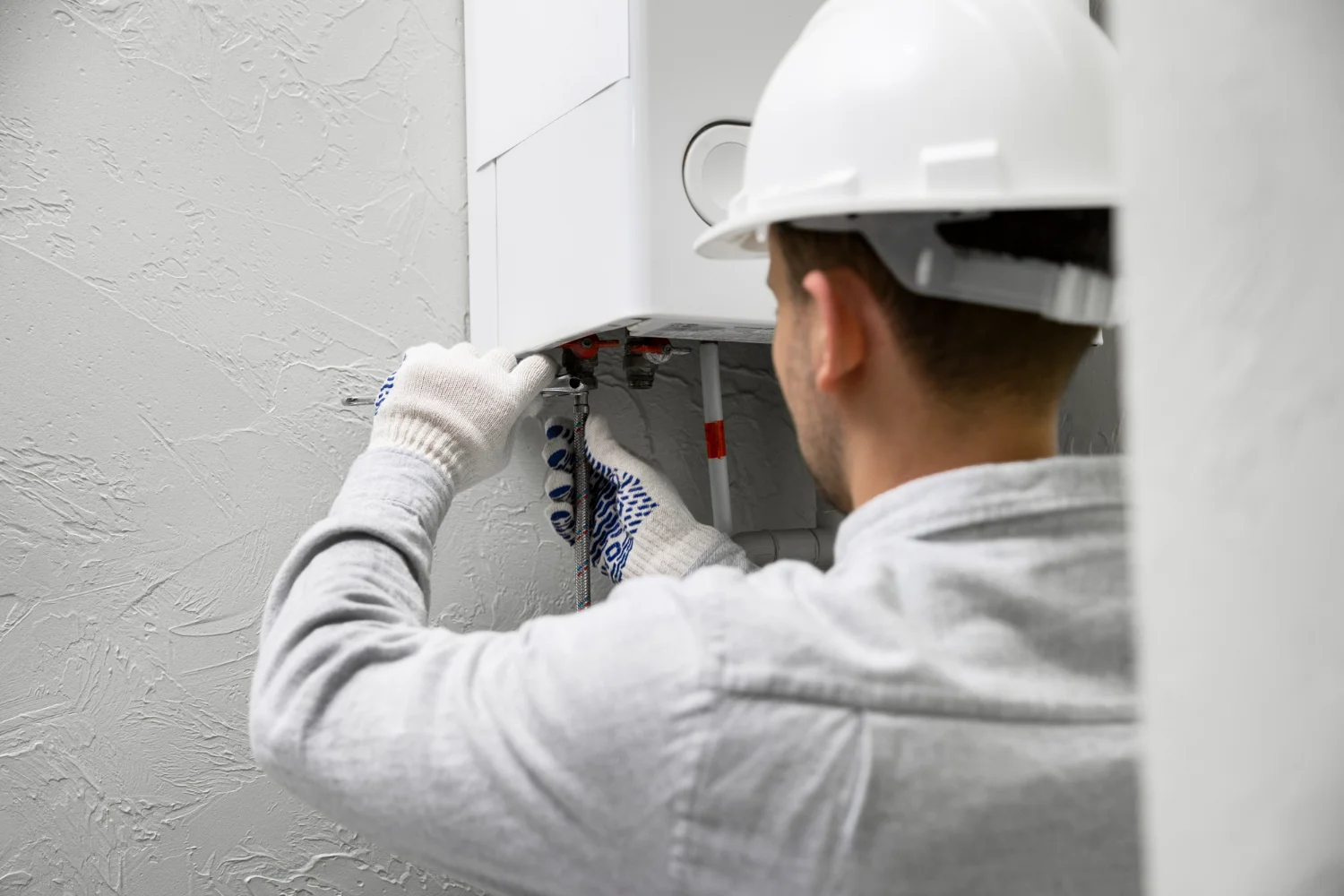
A typical boiler installation reading project involves more than simply removing an old appliance and connecting a new one. The installer needs to consider the property, existing heating system, flue arrangement, controls, pipework, ventilation where applicable, and the requirements of the new boiler.
This guide explains the usual journey from the first enquiry through to commissioning and handover, so you can see what a properly planned installation should involve.
If you are considering replacing an existing boiler, speaking to the Heatxpert team early can help you understand what your property may require before you commit to the work.
What happens after the first boiler installation enquiry?
The first stage is usually an initial conversation about the property and the reason for considering a replacement. This helps establish whether the existing boiler is reaching the end of its useful life, whether there are recurring faults, or whether the household simply needs a different heating arrangement.
You may be asked about:
- The type and approximate age of the existing boiler
- Where the boiler is currently located
- The size and type of property
- The number of bathrooms
- Whether hot water demand has changed
- Any recurring heating or hot water problems
- Previous repairs or servicing
- Preferred controls or heating features
This information does not replace a proper assessment, but it gives the installer useful background before looking at the property in more detail.
For homeowners comparing options, a boiler fitter reading should be able to explain what information is needed and why, rather than simply providing a price without understanding the existing system.
Does the property need a survey before installation?
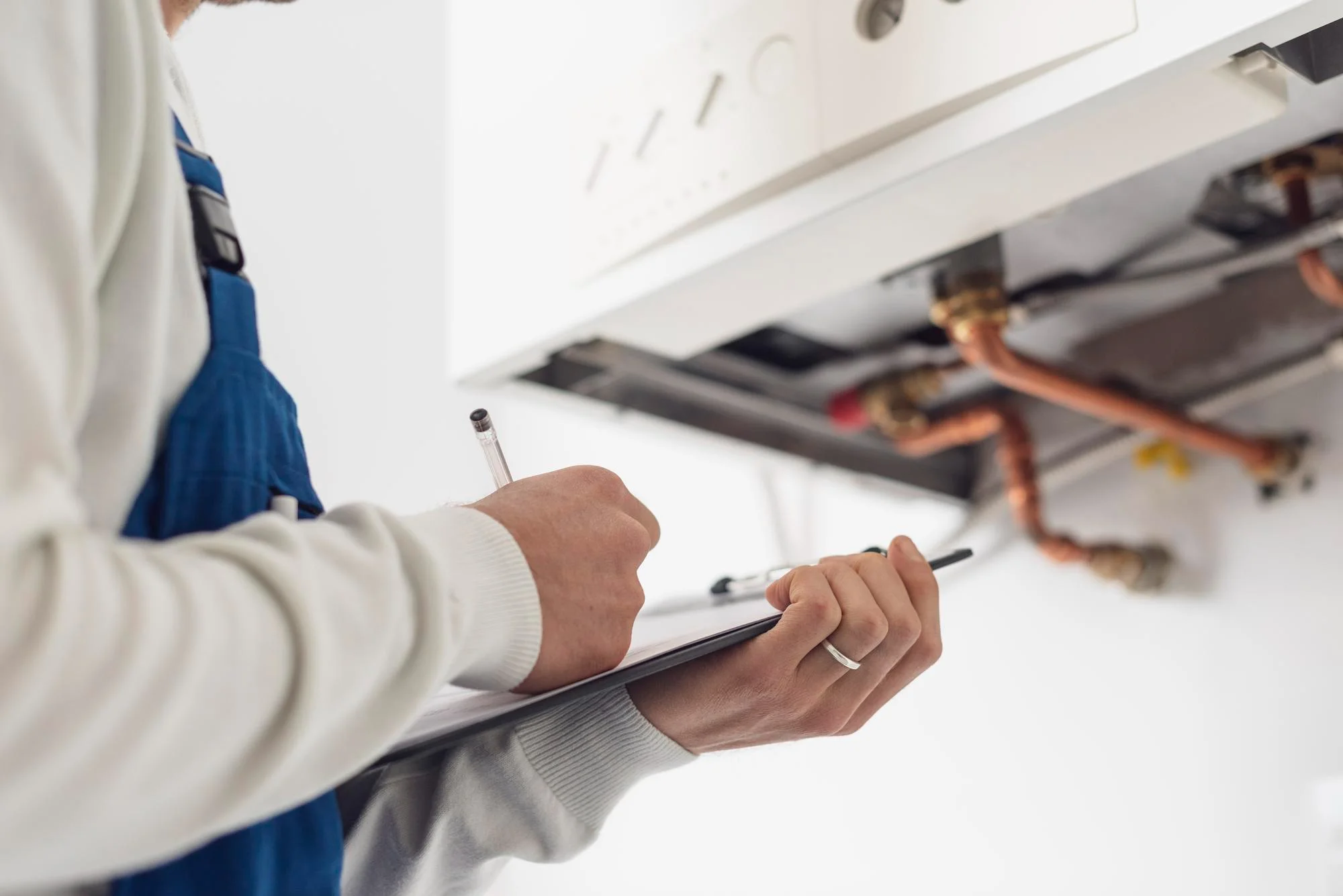
In many cases, an installer will need to assess the property before the final installation plan and price can be confirmed. The survey is important because two homes with apparently similar boilers can require very different amounts of work.
The installer may check:
- The current boiler and heating system
- Boiler location and accessibility
- Flue route and termination
- Gas pipework
- Heating and hot water pipework
- Condensate arrangements
- Existing controls
- Radiator and heating requirements
- Access for removing the old appliance
- Suitable positioning for the replacement boiler
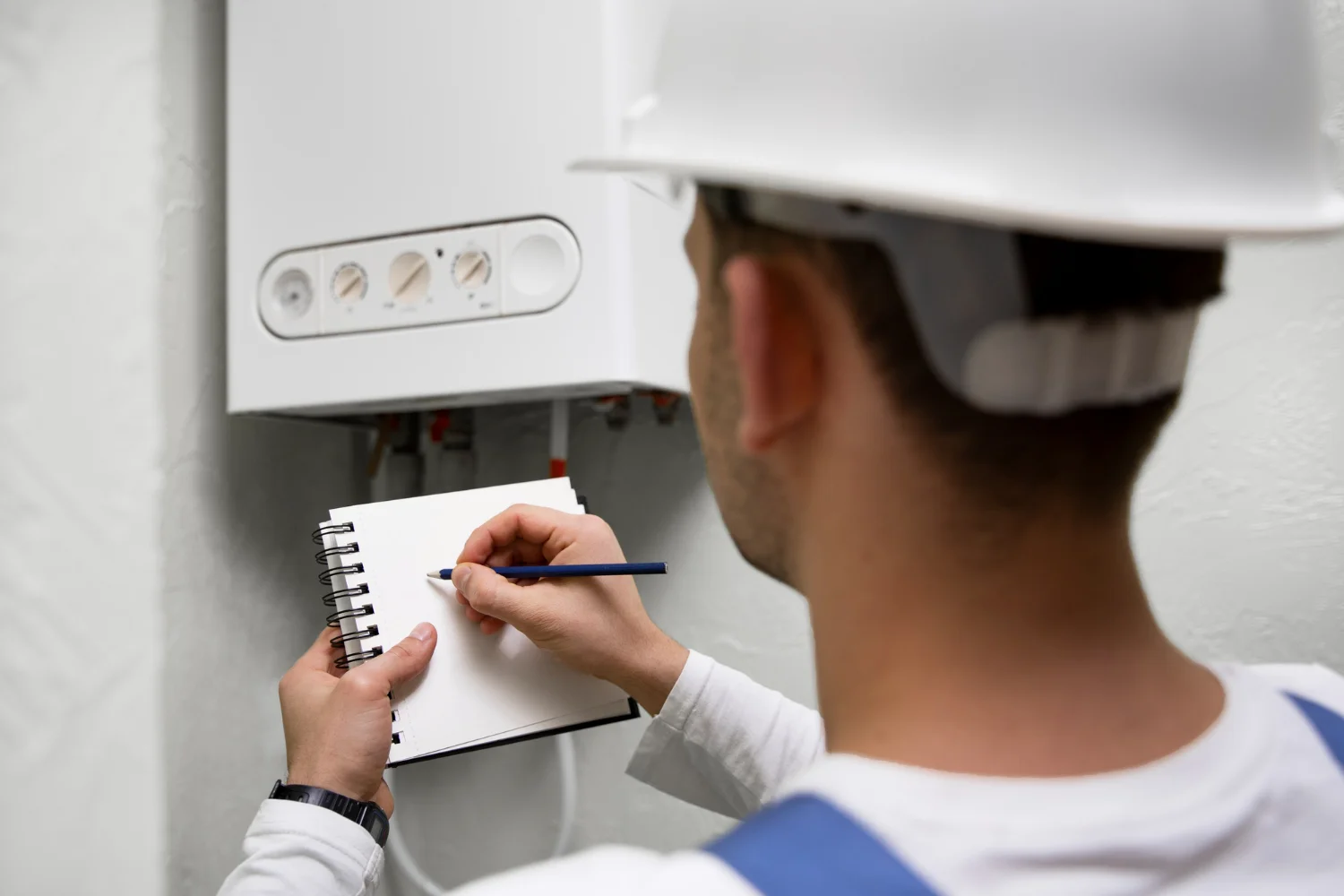
The assessment also provides an opportunity to identify issues that could affect the installation. For example, an older heating system may have pipework or controls that need attention as part of the replacement.
Let’s get started, Which fuel powers your boiler?
Mains Gas
LPG
Oil
It just takes 60 Seconds
And then you can book a free consultation
Why is the survey important?
A proper survey reduces the risk of unexpected work appearing once installation has started. It also allows the installer to establish what is actually included in the proposed job.
This is particularly relevant when comparing quotations. A lower initial price is not necessarily based on the same scope of work as a more detailed quotation.
How is the new boiler and installation plan agreed?
Once the property has been assessed, the installer can recommend a suitable boiler and explain how it would fit into the existing heating system.
The choice may depend on the property’s hot water requirements, available space, existing system type and the homeowner’s preferences. A combi boiler, for example, provides hot water directly without a separate hot water cylinder, while other boiler arrangements may use stored hot water.
The installation plan should make clear what will happen to the existing boiler and which components will be retained, replaced or altered.
A written quotation should ideally set out:
|
Installation detail |
What to look for |
|
Boiler |
Make, model and output where applicable |
|
Removal |
Whether the existing boiler is included |
|
Flue |
New flue components and associated work |
|
Controls |
Thermostat, programmer or other controls |
|
Pipework |
Any alterations or upgrades included |
|
Condensate |
Connection and routing arrangements |
|
System work |
Filters, valves or other components where required |
|
Labour |
Installation and associated labour |
|
Testing |
Commissioning and safety checks |
|
Handover |
Instructions and relevant documentation |
The precise specification will vary between properties. The important point is that the quotation should give a clear picture of the work being proposed.
If you are unsure whether a proposed installation includes everything your home needs, contact Heatxpert and ask the team to explain the scope of work before you agree to proceed.
What happens on the day of boiler installation?
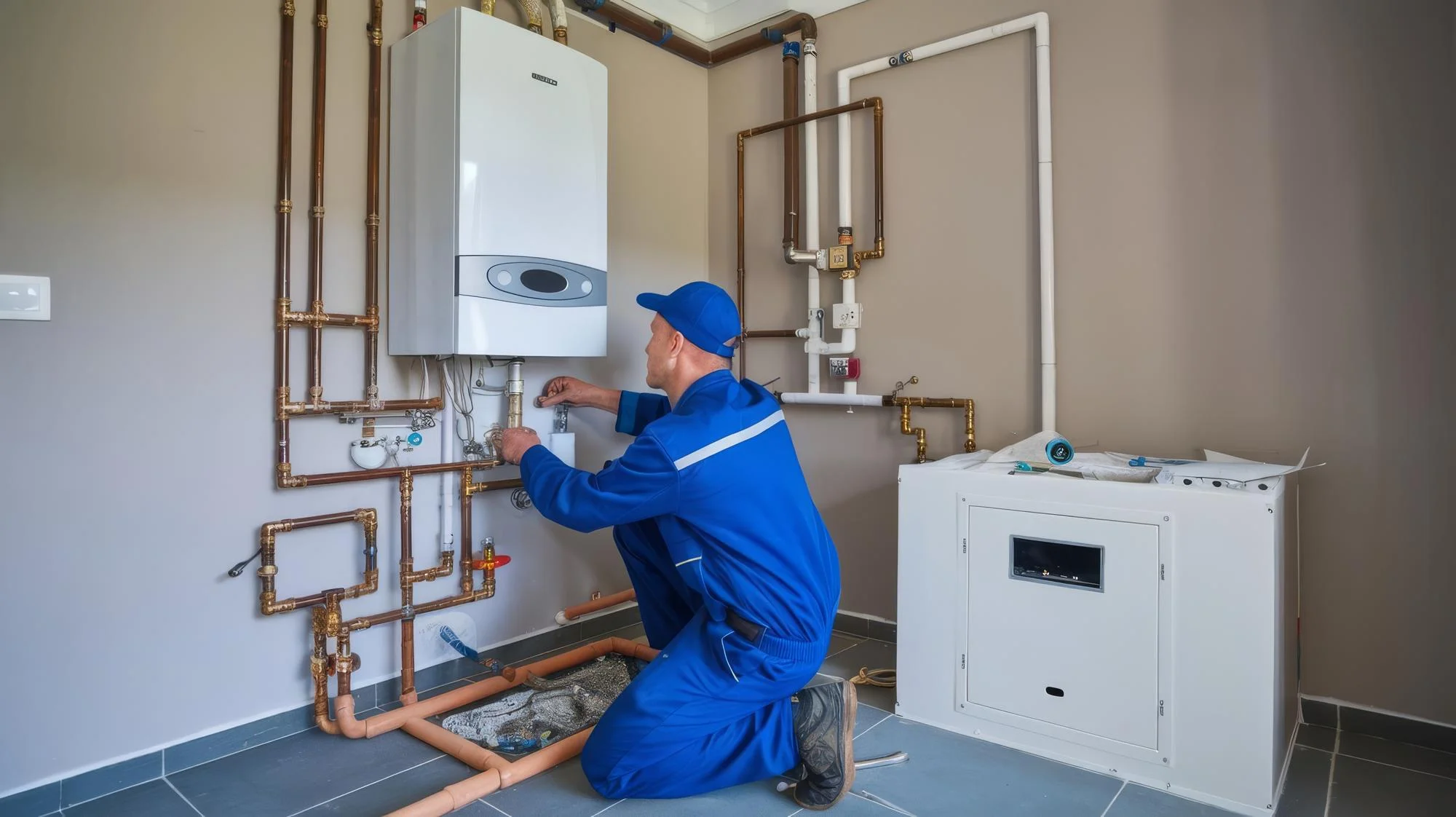
On installation day, the work normally begins with preparation and isolation of the existing heating system. The old boiler can then be removed along with any components that are being replaced.
The installer needs to protect the working area and plan how equipment and waste will be moved through the property. Once the old appliance is removed, the condition and position of the existing connections can be assessed again before the new boiler is fitted.
The new installation may involve:
- Positioning the replacement boiler
- Installing or adapting the flue
- Connecting gas pipework
- Connecting heating and hot water pipework
- Connecting the condensate pipe
- Installing or updating heating controls
- Fitting additional system components where specified
- Reconnecting the electrical supply where required
The amount of work depends heavily on whether the replacement is straightforward or whether changes are needed to bring the system into line with current requirements.
How long does a typical installation take?
There is no single installation time that applies to every property. A relatively straightforward replacement in the same position may be completed within a day, while a more involved installation can take longer.
Factors that can affect the timescale include:
- Moving the boiler to a different location
- Changes to the flue
- Additional pipework
- Upgrading controls
- Changes to the condensate route
- Access difficulties
- Replacing related heating components
- Discovering issues with existing pipework
A professional boiler fitter reading should explain the expected timescale and identify anything that could potentially extend the work.
What happens if an unexpected problem is found?
Older heating systems can sometimes reveal problems once the existing boiler has been removed. For example, pipework may be in poorer condition than expected, or an existing connection may not be suitable for the replacement appliance.
If additional work is required, the homeowner should be told what has been found, why it matters and what the proposed solution will involve. Where possible, any additional cost should be agreed before the extra work is carried out.
This is one reason a detailed initial assessment is valuable. It cannot guarantee that every hidden issue will be discovered, but it can reduce the number of surprises.
What testing is carried out after the boiler is fitted?
Fitting the boiler is only part of the installation. Before the system is handed back to the homeowner, the installer needs to carry out the appropriate checks and commissioning procedures for the appliance and installation.
This can include checking:
- Gas connections
- Flue installation
- Heating circuit
- Hot water operation
- Condensate drainage
- System pressure
- Controls
- Appliance operation
- Safety-related functions
The boiler should be commissioned in accordance with the manufacturer’s requirements, with the relevant information recorded as part of the installation process.
The homeowner should not simply be told that the boiler is working. They should also understand the basic operation of the system and controls.
What should happen during the final handover?
The final handover is an important part of the job because it gives the homeowner the information needed to use the new heating system correctly.
The installer should explain the basic controls and answer practical questions about operating the boiler. This is also a sensible time to discuss servicing requirements, warranty information and the documentation associated with the installation.
It is worth keeping the paperwork in a safe place. Future servicing, warranty queries or repairs may require details about the boiler and installation.
A typical Reading installation scenario
Consider a typical semi-detached property where an older boiler has become increasingly unreliable. The homeowner decides to investigate replacement rather than continue paying for repeated repairs.
During the initial assessment, the installer reviews the existing boiler position, flue, pipework, controls and hot water requirements. The replacement is planned around the property’s existing layout, with any necessary changes included in the quotation.
On installation day, the old appliance is removed and the new boiler is installed. The system is then filled, checked and commissioned. The homeowner is shown how to use the controls and receives the relevant installation information before the work is considered complete.
The exact process will differ between homes, but the principle remains the same: good preparation should lead to a clearly defined installation, careful fitting and proper commissioning.
What should homeowners check before agreeing to an installation?
Before accepting a quotation, it is sensible to look beyond the headline price. The details of the proposed work can have a significant bearing on the overall value and the final outcome.
Check that you understand:
- Which boiler is being proposed
- Where it will be installed
- Whether removal of the old boiler is included
- What happens to the existing flue
- Whether controls are included
- Whether pipework alterations are included
- What testing and commissioning will be carried out
- What documentation will be provided
- What warranty arrangements apply
- Whether additional work could change the agreed price
You should also feel comfortable asking questions. A reputable installer should be willing to explain the technical aspects in straightforward language.
How can you make the boiler installation process easier?
The homeowner can help the process by providing accurate information before the survey and making sure the installer can access the boiler and relevant heating components.
It can also help to identify any recurring problems in advance. If radiators regularly fail to heat properly, hot water performance has changed, or the boiler frequently loses pressure, mention these issues during the assessment.
Clear communication works both ways. The more the installer understands about how the heating system behaves, the easier it is to consider the complete installation rather than treating the boiler as an isolated appliance.
If your existing boiler is approaching replacement age or has become increasingly unreliable, Heatxpert can assess your requirements and explain the available installation options. Contact the team to discuss your property and request tailored advice.
A boiler replacement is a process rather than a single task. From the first enquiry and property assessment through to removal, fitting, testing and handover, each stage contributes to a safe and properly planned installation.
For homeowners considering boiler installation reading, understanding the process makes it easier to compare quotations, ask useful questions and recognise what should be included in the work. Choosing an experienced installer and agreeing a clear scope before work starts can also help the project run more smoothly.
Heatxpert can provide guidance based on the individual property and heating requirements, helping homeowners approach a boiler replacement with greater clarity and confidence.
Related articles
Let’s get started, Which fuel powers your boiler?
Mains Gas
LPG
Oil
At a glance
A typical boiler installation reading project involves more than simply removing an old appliance and connecting a new one. The installer needs to consider the property, existing heating system, flue arrangement, controls, pipework, ventilation where applicable, and the requirements of the new boiler.
This guide explains the usual journey from the first enquiry through to commissioning and handover, so you can see what a properly planned installation should involve.
If you are considering replacing an existing boiler, speaking to the Heatxpert team early can help you understand what your property may require before you commit to the work.
What happens after the first boiler installation enquiry?
The first stage is usually an initial conversation about the property and the reason for considering a replacement. This helps establish whether the existing boiler is reaching the end of its useful life, whether there are recurring faults, or whether the household simply needs a different heating arrangement.
You may be asked about:
- The type and approximate age of the existing boiler
- Where the boiler is currently located
- The size and type of property
- The number of bathrooms
- Whether hot water demand has changed
- Any recurring heating or hot water problems
- Previous repairs or servicing
- Preferred controls or heating features
This information does not replace a proper assessment, but it gives the installer useful background before looking at the property in more detail.
For homeowners comparing options, a boiler fitter reading should be able to explain what information is needed and why, rather than simply providing a price without understanding the existing system.
Does the property need a survey before installation?
In many cases, an installer will need to assess the property before the final installation plan and price can be confirmed. The survey is important because two homes with apparently similar boilers can require very different amounts of work.
The installer may check:
- The current boiler and heating system
- Boiler location and accessibility
- Flue route and termination
- Gas pipework
- Heating and hot water pipework
- Condensate arrangements
- Existing controls
- Radiator and heating requirements
- Access for removing the old appliance
- Suitable positioning for the replacement boiler
The assessment also provides an opportunity to identify issues that could affect the installation. For example, an older heating system may have pipework or controls that need attention as part of the replacement.
Let’s get started, Which fuel powers your boiler?
Mains Gas
LPG
Oil
It just takes 60 Seconds
And then you can book a free consultation
Why is the survey important?
A proper survey reduces the risk of unexpected work appearing once installation has started. It also allows the installer to establish what is actually included in the proposed job.
This is particularly relevant when comparing quotations. A lower initial price is not necessarily based on the same scope of work as a more detailed quotation.
How is the new boiler and installation plan agreed?
Once the property has been assessed, the installer can recommend a suitable boiler and explain how it would fit into the existing heating system.
The choice may depend on the property’s hot water requirements, available space, existing system type and the homeowner’s preferences. A combi boiler, for example, provides hot water directly without a separate hot water cylinder, while other boiler arrangements may use stored hot water.
The installation plan should make clear what will happen to the existing boiler and which components will be retained, replaced or altered.
A written quotation should ideally set out:
|
Installation detail |
What to look for |
|
Boiler |
Make, model and output where applicable |
|
Removal |
Whether the existing boiler is included |
|
Flue |
New flue components and associated work |
|
Controls |
Thermostat, programmer or other controls |
|
Pipework |
Any alterations or upgrades included |
|
Condensate |
Connection and routing arrangements |
|
System work |
Filters, valves or other components where required |
|
Labour |
Installation and associated labour |
|
Testing |
Commissioning and safety checks |
|
Handover |
Instructions and relevant documentation |
The precise specification will vary between properties. The important point is that the quotation should give a clear picture of the work being proposed.
If you are unsure whether a proposed installation includes everything your home needs, contact Heatxpert and ask the team to explain the scope of work before you agree to proceed.
What happens on the day of boiler installation?
On installation day, the work normally begins with preparation and isolation of the existing heating system. The old boiler can then be removed along with any components that are being replaced.
The installer needs to protect the working area and plan how equipment and waste will be moved through the property. Once the old appliance is removed, the condition and position of the existing connections can be assessed again before the new boiler is fitted.
The new installation may involve:
- Positioning the replacement boiler
- Installing or adapting the flue
- Connecting gas pipework
- Connecting heating and hot water pipework
- Connecting the condensate pipe
- Installing or updating heating controls
- Fitting additional system components where specified
- Reconnecting the electrical supply where required
The amount of work depends heavily on whether the replacement is straightforward or whether changes are needed to bring the system into line with current requirements.
How long does a typical installation take?
There is no single installation time that applies to every property. A relatively straightforward replacement in the same position may be completed within a day, while a more involved installation can take longer.
Factors that can affect the timescale include:
- Moving the boiler to a different location
- Changes to the flue
- Additional pipework
- Upgrading controls
- Changes to the condensate route
- Access difficulties
- Replacing related heating components
- Discovering issues with existing pipework
A professional boiler fitter reading should explain the expected timescale and identify anything that could potentially extend the work.
What happens if an unexpected problem is found?
Older heating systems can sometimes reveal problems once the existing boiler has been removed. For example, pipework may be in poorer condition than expected, or an existing connection may not be suitable for the replacement appliance.
If additional work is required, the homeowner should be told what has been found, why it matters and what the proposed solution will involve. Where possible, any additional cost should be agreed before the extra work is carried out.
This is one reason a detailed initial assessment is valuable. It cannot guarantee that every hidden issue will be discovered, but it can reduce the number of surprises.
What testing is carried out after the boiler is fitted?
Fitting the boiler is only part of the installation. Before the system is handed back to the homeowner, the installer needs to carry out the appropriate checks and commissioning procedures for the appliance and installation.
This can include checking:
- Gas connections
- Flue installation
- Heating circuit
- Hot water operation
- Condensate drainage
- System pressure
- Controls
- Appliance operation
- Safety-related functions
The boiler should be commissioned in accordance with the manufacturer’s requirements, with the relevant information recorded as part of the installation process.
The homeowner should not simply be told that the boiler is working. They should also understand the basic operation of the system and controls.
What should happen during the final handover?
The final handover is an important part of the job because it gives the homeowner the information needed to use the new heating system correctly.
The installer should explain the basic controls and answer practical questions about operating the boiler. This is also a sensible time to discuss servicing requirements, warranty information and the documentation associated with the installation.
It is worth keeping the paperwork in a safe place. Future servicing, warranty queries or repairs may require details about the boiler and installation.
A typical Reading installation scenario
Consider a typical semi-detached property where an older boiler has become increasingly unreliable. The homeowner decides to investigate replacement rather than continue paying for repeated repairs.
During the initial assessment, the installer reviews the existing boiler position, flue, pipework, controls and hot water requirements. The replacement is planned around the property’s existing layout, with any necessary changes included in the quotation.
On installation day, the old appliance is removed and the new boiler is installed. The system is then filled, checked and commissioned. The homeowner is shown how to use the controls and receives the relevant installation information before the work is considered complete.
The exact process will differ between homes, but the principle remains the same: good preparation should lead to a clearly defined installation, careful fitting and proper commissioning.
What should homeowners check before agreeing to an installation?
Before accepting a quotation, it is sensible to look beyond the headline price. The details of the proposed work can have a significant bearing on the overall value and the final outcome.
Check that you understand:
- Which boiler is being proposed
- Where it will be installed
- Whether removal of the old boiler is included
- What happens to the existing flue
- Whether controls are included
- Whether pipework alterations are included
- What testing and commissioning will be carried out
- What documentation will be provided
- What warranty arrangements apply
- Whether additional work could change the agreed price
You should also feel comfortable asking questions. A reputable installer should be willing to explain the technical aspects in straightforward language.
How can you make the boiler installation process easier?
The homeowner can help the process by providing accurate information before the survey and making sure the installer can access the boiler and relevant heating components.
It can also help to identify any recurring problems in advance. If radiators regularly fail to heat properly, hot water performance has changed, or the boiler frequently loses pressure, mention these issues during the assessment.
Clear communication works both ways. The more the installer understands about how the heating system behaves, the easier it is to consider the complete installation rather than treating the boiler as an isolated appliance.
If your existing boiler is approaching replacement age or has become increasingly unreliable, Heatxpert can assess your requirements and explain the available installation options. Contact the team to discuss your property and request tailored advice.
A boiler replacement is a process rather than a single task. From the first enquiry and property assessment through to removal, fitting, testing and handover, each stage contributes to a safe and properly planned installation.
For homeowners considering boiler installation reading, understanding the process makes it easier to compare quotations, ask useful questions and recognise what should be included in the work. Choosing an experienced installer and agreeing a clear scope before work starts can also help the project run more smoothly.
Heatxpert can provide guidance based on the individual property and heating requirements, helping homeowners approach a boiler replacement with greater clarity and confidence.
